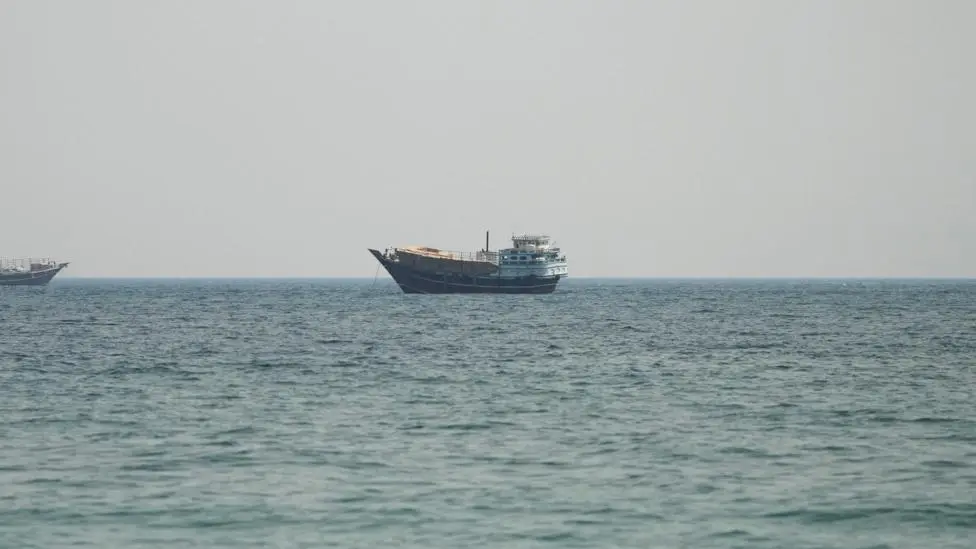
The fragile US-Iran truce is under strain as Iran insists on controlling the Strait of Hormuz, a critical maritime route for global oil and gas shipments. The dispute centers on a vaguely worded clause in a June memorandum of understanding, with both sides interpreting it differently.
Why the Strait of Hormuz is a flashpoint
Iran claims a June agreement grants it authority over the strait, citing a clause stating it will "make arrangements using its best efforts for the safe passage of commercial vessels." The US interprets this as a requirement for Iran to keep the waterway open for unrestricted trade. A regional oil executive noted the ambiguity: "You can drive a truck through those clauses."
Recent attacks on three vessels near Oman’s coast, including a Qatari-flagged LNG tanker, have been linked to a "rogue unit" within Iran’s Revolutionary Guard Corps (IRGC). Iran’s parliament has since introduced a bill to formalize its control over the strait, with a senior lawmaker stating it is an "inalienable right" that will never be ceded.
Regional tensions and economic stakes
Iran views the strait as leverage against sanctions, a deterrent, and an economic lifeline. However, its demands—including potential "service fees" for passage—have drawn opposition from neighbors like Qatar, Oman, and the UAE. Oman, a traditional mediator, has objected to Iran’s push for joint administration of the waterway, fearing it could undermine its neutral role.
Former British diplomat Simon Gass suggested a possible compromise: no tolls for passage but potential fees for maritime services, allowing Iran to assert authority without disrupting trade. Yet, fundamental misunderstandings persist, with both sides believing they hold the upper hand.
Economic and political pressures
Iran’s economic crisis—with inflation near 80% and prolonged internet blackouts—contrasts with its defiance. Meanwhile, US President Donald Trump faces his own political pressures, though the focus remains on the strait rather than Iran’s nuclear program. The truce’s 60-day negotiation window, already unrealistic, adds to the uncertainty.
Analyst Robert Malley of the International Crisis Group gives the truce "a fair chance of recovering in some form," but warns that dysfunction on both sides makes a lasting resolution unlikely. Observers now watch for whether diplomacy can bridge the gap over the strait’s control.