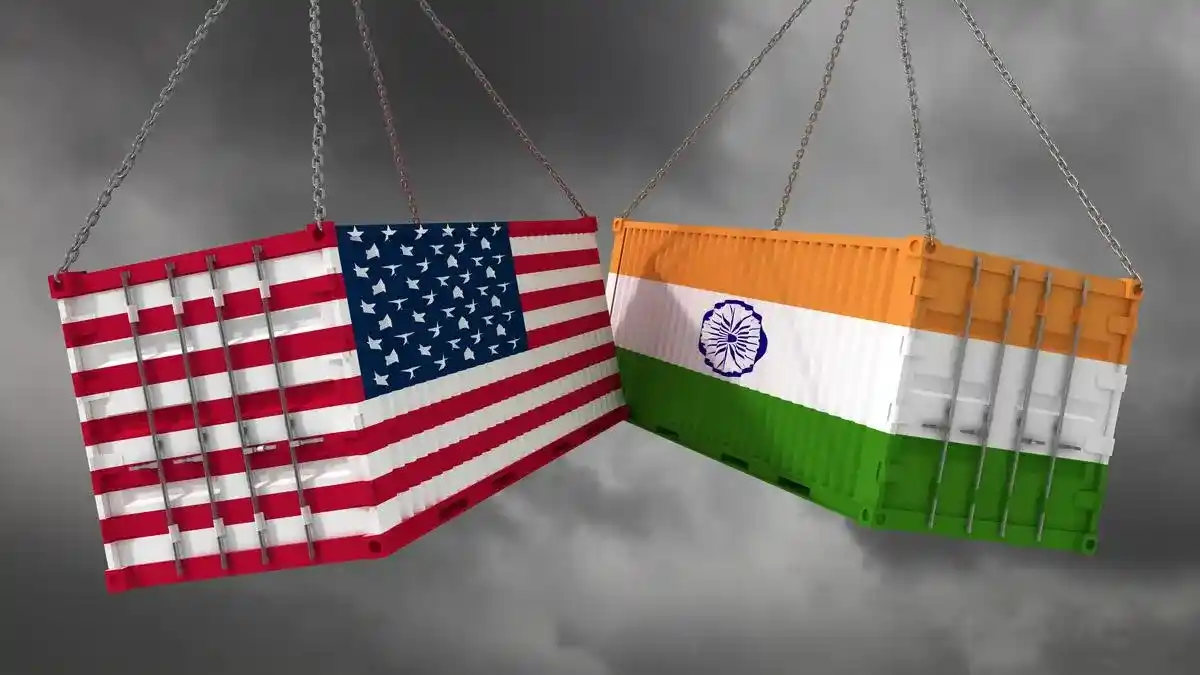
The United States will impose a 25% tariff on select Brazilian imports from July 22, citing Brazil’s preferential tariff treatment for India and Mexico as a key factor in its Section 301 investigation. The move targets unfair trade practices that USTR says have eroded U.S. export competitiveness in Brazil.
Brazil’s Preferential Tariffs for India and Mexico Under Scrutiny
USTR’s Jamieson Greer confirmed that Brazil extends tariff concessions to India and Mexico—covering hundreds of tariff lines—that are denied to U.S. exporters. For India, the preferential rates span agricultural products, auto parts, chemicals, and machinery, with reductions of 10% to 100% below Brazil’s standard tariffs. Mexico benefits from over 1,000 such concessions.
Greer linked the differential treatment to a measurable decline in U.S. exports to Brazil, while shipments from India and Mexico rose. “There’s been a very clear correlation between this practice and what happened to our exports,” he stated. The USTR now demands parity, urging Brazil to extend the same terms to U.S. producers.
Section 301 Probe Targets Broader Trade Barriers
The tariffs follow a Section 301 investigation into Brazil’s digital trade barriers, intellectual property protections, and other non-tariff issues. Jennifer Thornton, USTR General Counsel, emphasized that Brazil’s bilateral agreements with India and Mexico create an uneven playing field, particularly in sectors like ethanol and minerals.
Washington’s stance is pragmatic: it seeks reciprocal treatment, not punitive action. As Greer noted, “We’re a big trading partner for [Brazil]... we do want to be able to compete on the best terms.” The tariffs, effective July 22, signal escalating pressure for trade equity.