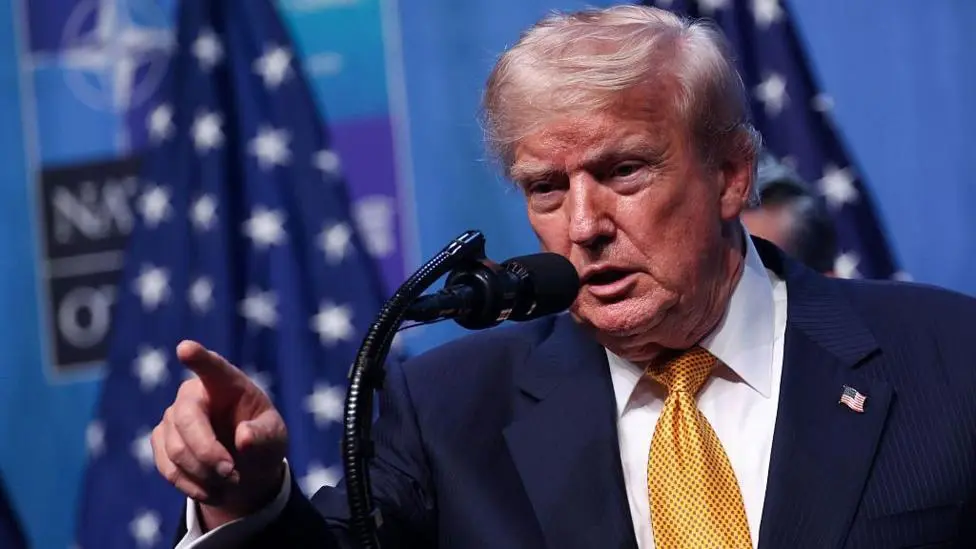
The US will reinstate a naval blockade of Iranian ports and impose a 20% charge on all cargo passing through the Strait of Hormuz, President Donald Trump announced. The measures take effect at 16:00 Eastern Time (20:00 GMT) on Tuesday, targeting Iranian vessels while allowing other nations "fair and open use" of the critical oil shipping route.
Strait of Hormuz tensions escalate
Trump stated the blockade would prevent "Iran's ships or customers" from entering or exiting the strait, framing the US as its "GUARDIAN" in a Truth Social post. He claimed the 20% fee would cover costs for ensuring security in the volatile region, adding that the strait "will remain OPEN, with or without Iran."
Iran's Foreign Minister Abbas Araghchi responded on X, agreeing that providers of safe passage should be compensated but calling the 20% fee "too much." He reiterated Iran's role as the strait's "GUARDIAN FOREVER." The International Maritime Organization opposed the toll, stating there is no legal basis for mandatory fees in international straits.
Military strikes and maritime disputes
The announcement follows overnight strikes between the US and Iran. The US targeted Iranian military sites, including air defense systems and missile bases, while Iran retaliated by striking US bases in Kuwait, Jordan, Bahrain, and radars in Oman. Tehran had previously warned against US interference in the strait, calling it a threat to regional security.
US Central Command confirmed the blockade would resume on July 14, allowing unimpeded traffic for vessels not violating the restrictions. The strait, a key route for 25% of global oil and 20% of liquefied natural gas, was effectively shut down by Iran in February after US-Israel strikes, disrupting maritime traffic and raising oil prices.