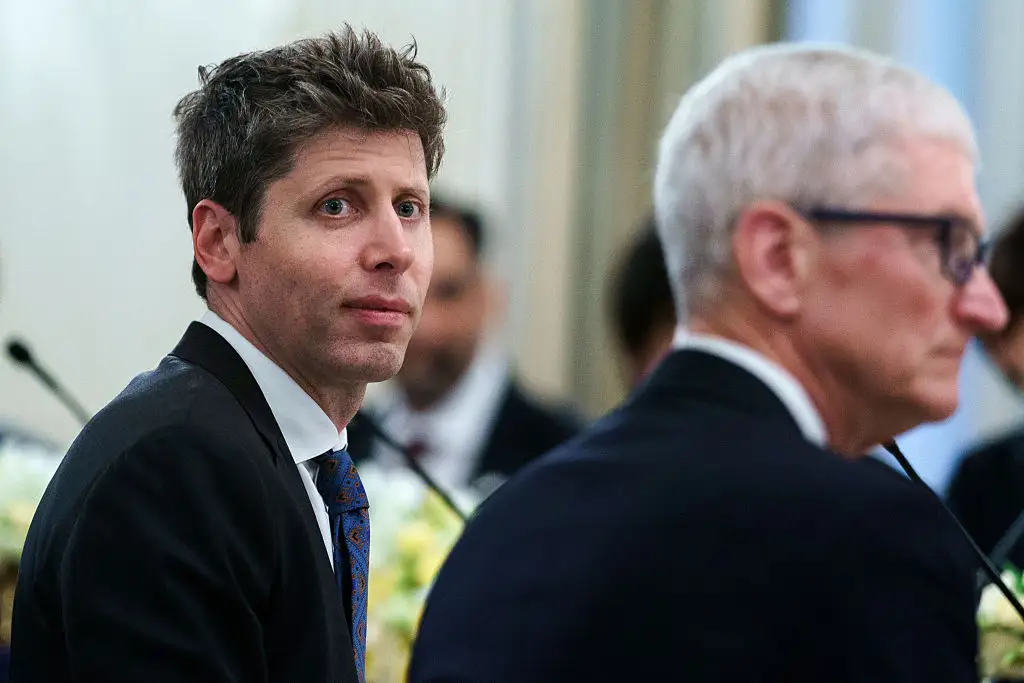
Apple has filed a lawsuit against OpenAI, accusing the AI company of systematically stealing trade secrets to accelerate its own hardware development—potentially including a future smartphone rival to the iPhone.
Apple alleges OpenAI targeted ex-employees for confidential data
The complaint, filed in California’s Northern District Court, claims OpenAI’s senior leadership—including Chief Hardware Officer Tang Tan, a 24-year Apple veteran—directed efforts to extract Apple’s confidential information. Tan allegedly used Apple’s internal project codenames during recruiting, asked job candidates to bring Apple hardware components to interviews, and coached departing employees on evading security protocols.
Another former Apple engineer, Chang Liu, is accused of failing to return an Apple-issued laptop after joining OpenAI in 2026, using it to download sensitive technical documents. The lawsuit states these files included unannounced product specs, engineering presentations, and proprietary data—some of which Liu shared with other Apple employees applying to OpenAI.
Why this lawsuit could reshape the AI hardware race
The legal action arrives as OpenAI ramps up its hardware ambitions, with rumors swirling about a potential AI-first smartphone. Industry analyst Ming-Chi Kuo previously suggested this device might replace traditional apps with AI agents—a direct challenge to Apple’s core business. OpenAI’s $6.5 billion acquisition of Jony Ive’s design firm io last year further signaled its hardware push, though Ive himself isn’t named in the lawsuit.
Apple’s filing also claims OpenAI misled a partner into using a proprietary Apple metal-finishing technique, implying the AI company’s hardware may already rely on stolen IP. The lawsuit seeks to block OpenAI from using Apple’s trade secrets, demand the return of all confidential materials, and preserve evidence for discovery.
What happens next?
Apple’s investigation is ongoing, and the company warns this may be “the tip of the iceberg.” The legal process could force OpenAI to disclose more about its internal practices, while Apple aims to dismantle what it calls a “rotten” foundation built on misappropriated secrets. In a statement, Apple reiterated its commitment to protecting its teams’ innovations, calling the alleged theft a serious violation of its intellectual property.
The case is developing, with Apple’s full filing available here.


