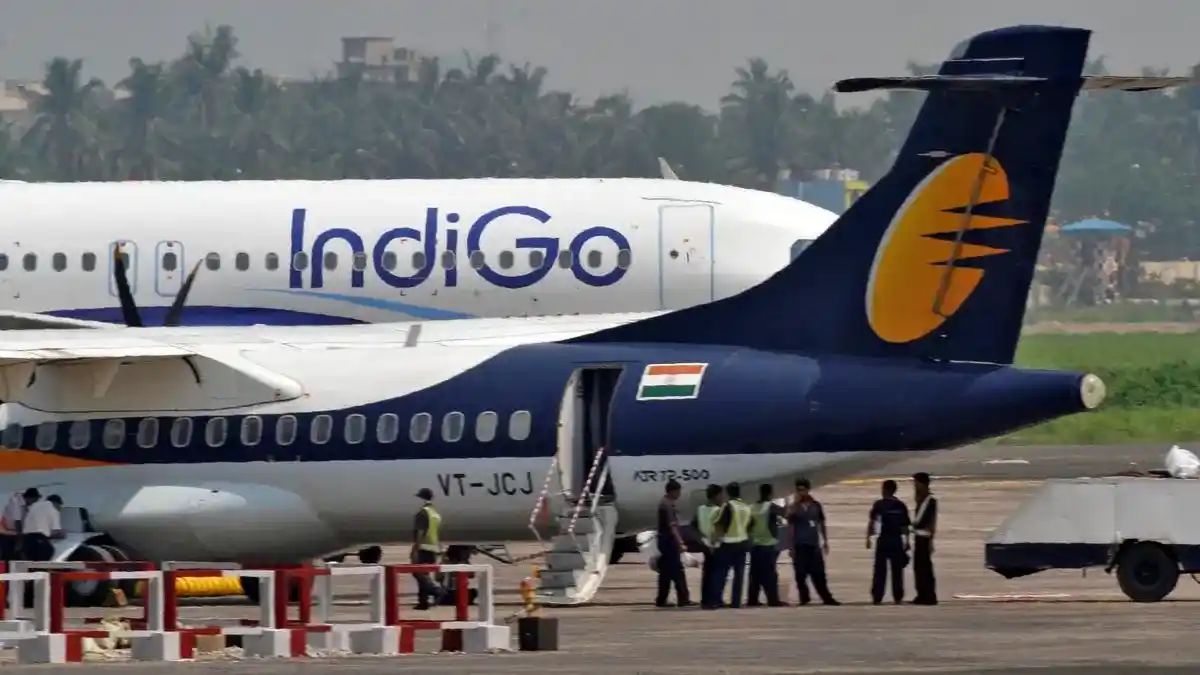
India’s Civil Aviation Minister Kinjarapu Ram Mohan Naidu has affirmed that dynamic airfare pricing remains critical to the growth of the country’s aviation sector, a stance the Centre will defend before the Supreme Court. The framework, already in place, aligns with international practices and supports expanded connectivity, the minister stated.
Why Dynamic Pricing Matters for Airlines and Passengers
Dynamic pricing allows airlines to adjust fares based on demand, a model Naidu described as essential for advancing aviation infrastructure. He emphasized that this approach is standard globally, enabling carriers to scale operations while maintaining flexibility. However, the government intervenes when fares spike excessively or predatory pricing is detected, as seen during the Pahalgam surge, IndiGo’s operational disruptions, and the Kumbh Mela.
Regulatory Oversight and Market Balance
The Directorate General of Civil Aviation (DGCA) actively monitors fare trends, requiring airlines to ensure transparency in pricing. While airlines retain autonomy under the current system, the ministry reserves the right to impose restrictions if pricing becomes exploitative. Naidu’s remarks underscore a balanced approach: fostering growth through market-driven fares while safeguarding consumer interests.
For investors and industry stakeholders, the Centre’s position signals continuity in policy, with dynamic pricing likely to remain a cornerstone of India’s aviation strategy. The Supreme Court’s eventual ruling could further shape regulatory clarity, but the minister’s stance reinforces the sector’s reliance on this model for sustainable expansion.