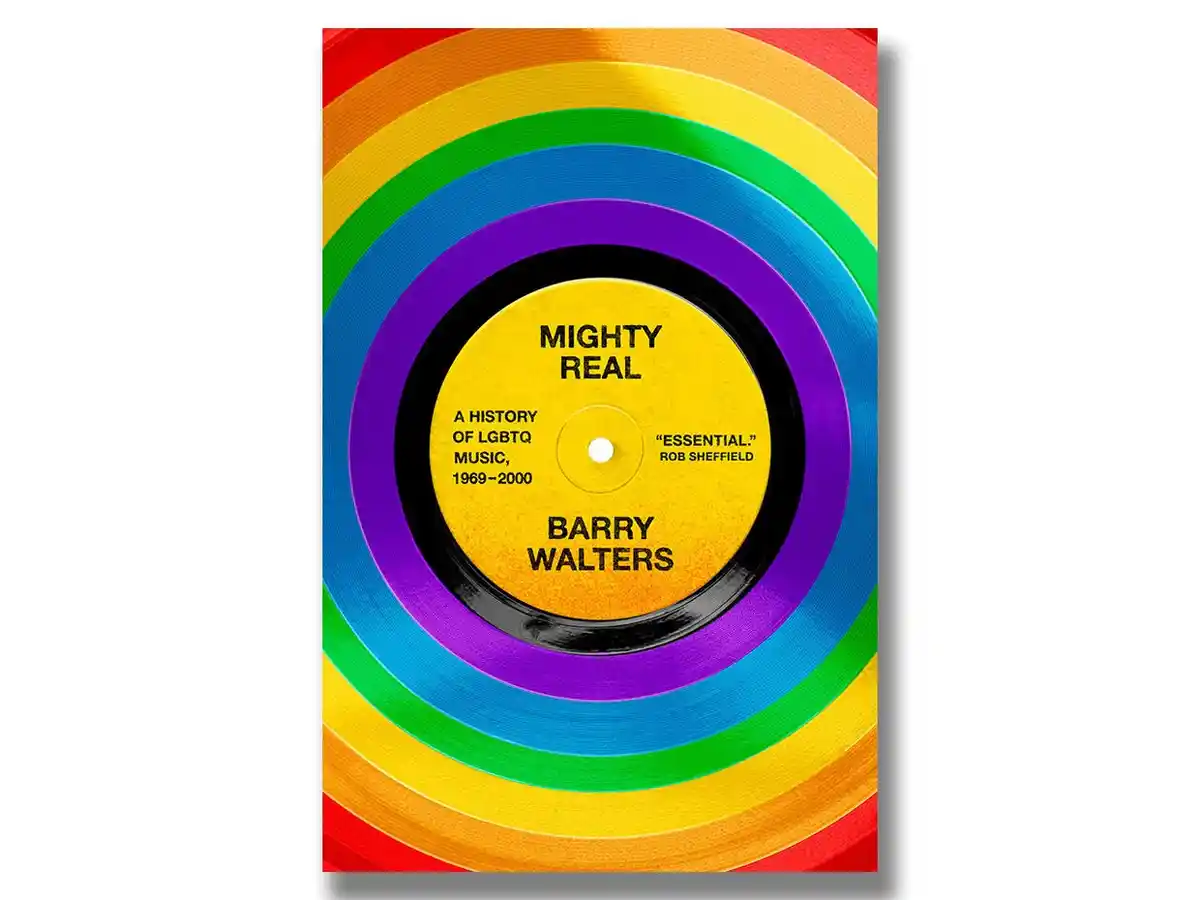
Barry Walters’ new book, Mighty Real: A History of LGBTQ Music, 1969-2000, examines how LGBTQ artists and fans reshaped pop culture, with a focus on Elton John’s early career and his subtle yet profound queer messaging. Published by Viking, the excerpt highlights how John’s music evolved from coded earth tones to unapologetic Technicolor expression.
Elton John’s Early Career and Closeted Beginnings
In his 1970 debut hit Your Song, Elton John sang of inner conflict, yet his early persona—beige album covers, denim, and earthy tones—masked his identity. Collaborating with lyricist Bernie Taupin, John crafted mythic, gothic narratives on albums like Tumbleweed Connection, avoiding overt autobiographical themes. His showmanship grew, but his personal life remained undiscussed.
By 1972’s Honky Château, John’s music began resonating with LGBTQ audiences. Tracks like Rocket Man (“I’m not the man that they think I am at home”) and Honky Cat—about an outsider finding acceptance in the city—offered indirect but powerful representation. The shift accelerated with 1973’s Goodbye Yellow Brick Road, where John embraced flamboyance, both musically and visually.
The Turning Point: Goodbye Yellow Brick Road
The album marked John’s artistic and personal transformation. Its artwork—pink satin jackets, crimson platform shoes—symbolized his departure from the drab reality of his birth name, Reg Dwight, into the vibrant world of Elton John. The music mirrored this change: Funeral for a Friend/Love Lies Bleeding signaled the end of his closeted era, while Bennie and the Jets celebrated queer-coded glamour.
Songs like All the Girls Love Alice and Daniel further pushed boundaries. Though Taupin’s lyrics often lacked firsthand queer perspective, John’s delivery—pulsing with energy and emotion—spoke directly to LGBTQ listeners. The album’s success cemented John’s cultural centrality, influencing generations of queer artists, from Hedwig to Scissor Sisters.