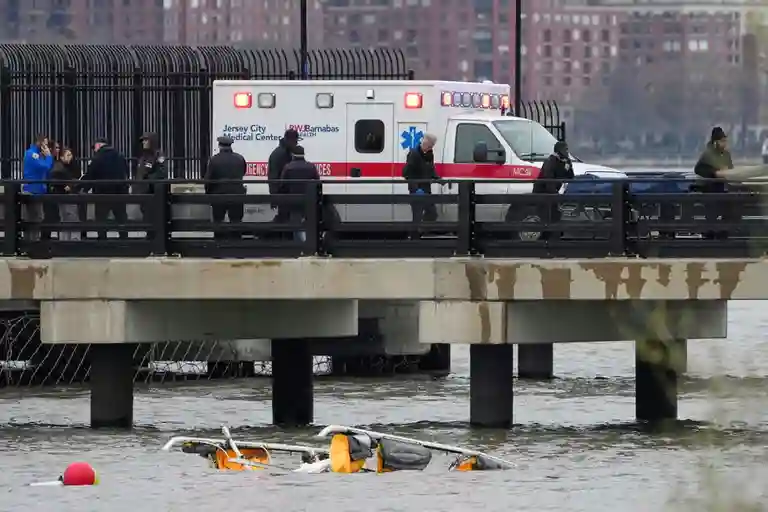
A bird strike is the leading theory behind the fatal New York City helicopter crash that killed six people in the Hudson River on April 10, 2025, according to newly released National Transportation Safety Board (NTSB) reports. Investigators found the remains of several geese on the wreckage of the sightseeing chopper, with witness accounts suggesting the aircraft struck multiple birds before plunging into the water.
How bird strikes threaten low-flying helicopters
The Federal Aviation Administration (FAA) has long warned that helicopters, which operate at low altitudes, are particularly vulnerable to bird strikes—an uncommon but potentially catastrophic hazard. The NTSB has recorded 24 helicopter bird strike crashes over the past 25 years, three of which were fatal. Pilots are advised to avoid known bird habitats and reduce speed to mitigate damage from impacts.
Victims and the aftermath of the Hudson River tragedy
The crash claimed the lives of Agustin Escobar, a 49-year-old Siemens executive from Spain; his wife, Mercè Camprubí Montal, 39; their three children—Victor, 4; Mercedes, 8; and Agustin, 10; and pilot Seankese Johnson, 36, a U.S. Navy veteran who earned his commercial license in 2023. Witnesses reported seeing the helicopter’s tail and main rotor detach mid-air, followed by smoke, before it hit the water less than 18 minutes after takeoff from a downtown heliport.
Rescue boats arrived within minutes, but all six victims were recovered from the submerged Bell 206L-4 aircraft. The wreckage was later hoisted from the river for forensic examination. The incident reignited safety debates over tourist helicopter flights, prompting New Jersey’s governor to call for stricter restrictions on nonessential operations.
Regulatory fallout and company scrutiny
New York Helicopter Tours ceased operations after the crash, and the FAA issued an emergency order grounding all its flights following allegations of retaliation against its director of operations. Jason Costello had agreed to voluntarily suspend flights during the investigation, but the company’s CEO emailed the FAA 16 minutes later to revoke that decision and announce Costello’s dismissal. The FAA cited concerns that the firing was punishment for a safety-related choice.
The crash echoes the 2009 "Miracle on the Hudson," when a US Airways jet lost power after striking birds, forcing an emergency water landing that saved all 155 passengers and crew. Unlike that case, however, the 2025 helicopter incident ended in tragedy, underscoring the persistent risks of bird strikes in aviation.


