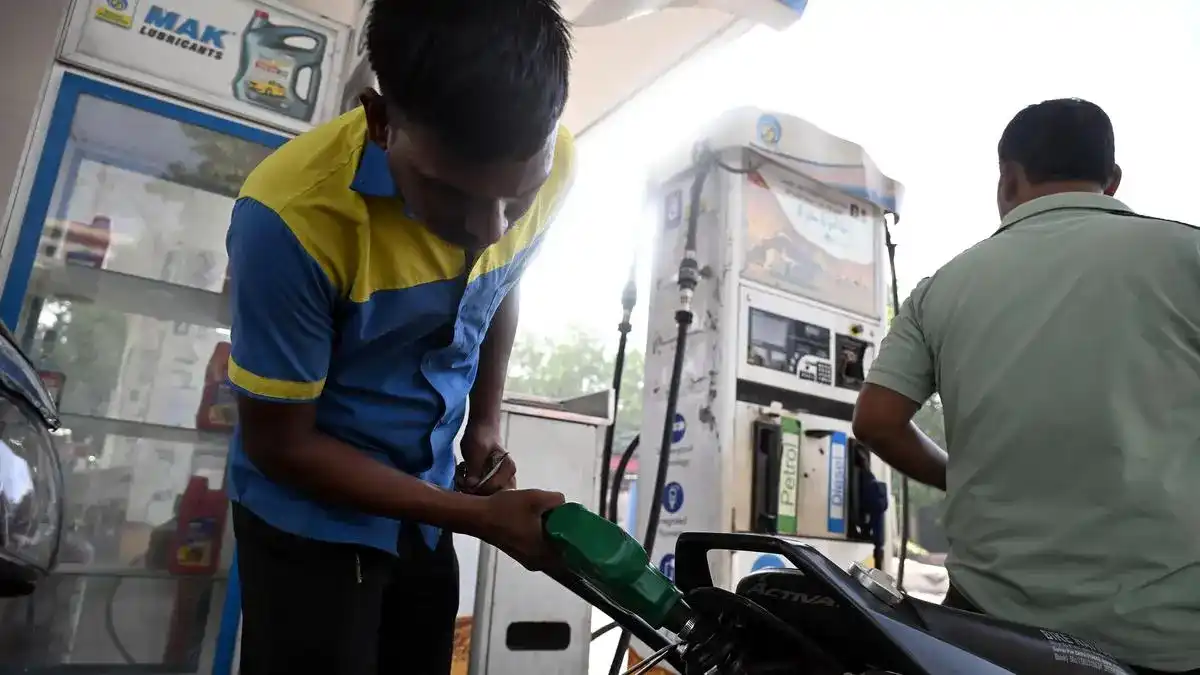
Ethanol-blended fuel does not damage vehicle engines, according to the Grain Ethanol Manufacturers Association (GEMA), which has challenged critics to provide evidence. The industry body also dismissed claims of excessive water usage in ethanol production, stating that only five litres of water are required per litre of ethanol.
Ethanol-Blended Fuel: Mileage and Cost Implications
While GEMA President C K Jain acknowledged a 3-5% drop in mileage with ethanol-blended petrol, he argued that the benefits—such as reduced pollution and lower foreign exchange outflows from crude imports—outweigh the minor efficiency loss. With international crude prices at $70 per barrel, Jain emphasized that reliance on imports would only drive costs higher.
Ethanol Production Capacity and Water Usage
India’s ethanol manufacturing capacity stands at 1,800 crore litres, surpassing current consumption of 1,200 crore litres. Jain clarified that water usage for ethanol production is far lower than claimed, with current rates at five litres per litre of ethanol and improving toward 3.5 litres. He noted that 50% of crop irrigation comes from rainfall, making broader water usage calculations misleading.
Industry Support for Ethanol Blending
The Federation of Automobile Dealers Associations (FADA), representing over 30,000 outlets, reported no complaints related to ethanol-blended fuel. FADA President C S Vigneshwar confirmed that no vehicle damage incidents had been reported by service centres or dealers.
GEMA advocates for higher ethanol blending targets, aiming for 25-30% to reduce crude oil dependence, though Jain acknowledged that 100% replacement is not feasible.


