The U.S.-Iran ceasefire agreement, signed on June 17, 2026, is collapsing after both sides accused each other of violations, with the Strait of Hormuz at the center of the dispute. Iran’s insistence on controlling the critical waterway stems from its strategic and economic leverage, even as the U.S. revokes sanctions relief and resumes strikes.
Collapse of the U.S.-Iran MoU
U.S. President Donald Trump declared the ceasefire "over" after Iran called parts of the memorandum of understanding (MoU) "ineffective" due to American actions. The U.S. conducted airstrikes on Iranian targets, while Tehran retaliated by attacking U.S. bases in Persian Gulf nations and Jordan.
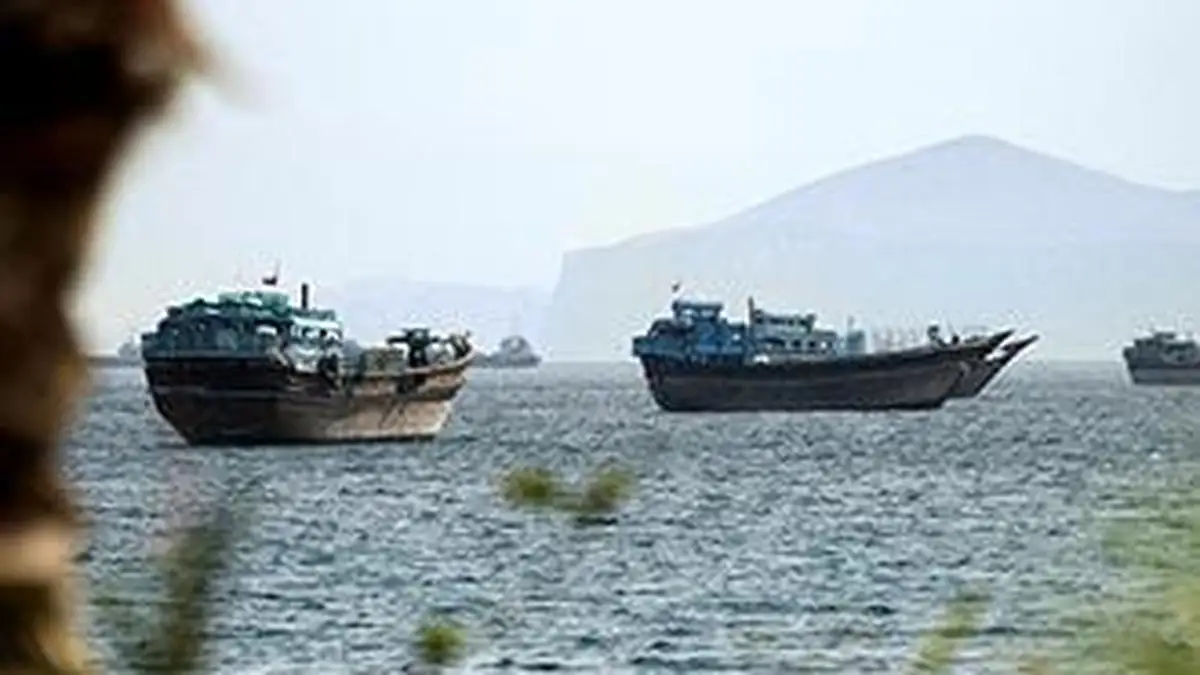
The dispute centers on Article 5 of the MoU, which required Iran to ensure safe passage for commercial vessels through the Strait of Hormuz. Iran designated a new shipping route along its coast, but the U.S. Navy cleared an alternative path near Oman. Iran views this as a violation, leading to attacks on three tankers using the U.S.-backed route. The U.S. responded with airstrikes, and Iran’s Revolutionary Guard temporarily closed the strait.
Strategic Importance of the Strait of Hormuz
The Strait of Hormuz remains a vital global trade artery, with 20 million barrels of oil and 112 billion cubic meters of LNG passing through daily in 2025. It also handles:
- One-third of global seaborne urea trade
- One-third of global seaborne ammonia trade
- 40% of global seaborne sulfur exports
Together, these account for roughly 30% of global fertilizer trade, reinforcing the strait’s economic and strategic significance.
Iran’s Calculus and U.S. Objectives
Iran believes its ability to shut down the strait forced the U.S. into the MoU, which included sanctions relief and access to frozen funds. Tehran fears losing leverage if the U.S. institutionalizes an alternative route, opting instead to assert control through deterrence.
The U.S. seeks to deny Iran dominance over the strait, which could reshape the Persian Gulf’s power balance. Meanwhile, the original conflict—Iran’s nuclear program—has been sidelined, with negotiations delayed until the strait dispute is resolved, either through force or diplomacy.