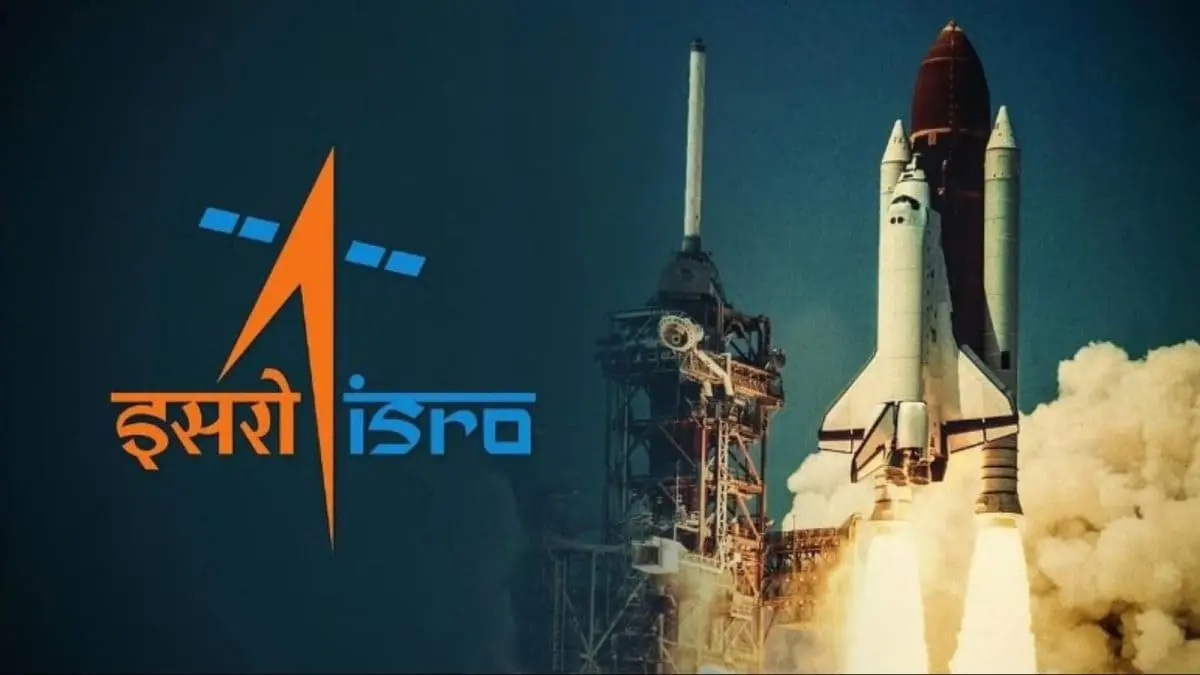
The Department of Space (DoS) has tightened resignation and voluntary retirement rules for ISRO scientists working on critical missions like Gaganyaan after at least 100 quit in recent months. The move centralises approval authority at the DoS level to curb talent outflow.
Why ISRO Scientists Are Leaving
India’s expanding private space sector is a key factor behind the resignations. Startups and aerospace firms are actively recruiting experienced ISRO scientists for leadership and technical roles, driven by government efforts to involve industry in satellite and launch vehicle projects.
New Rules to Retain Critical Talent
A July 14 DoS memorandum directs that resignation requests from Group ‘A’ scientific and technical personnel on key missions will no longer be processed as routine administrative matters. Previously, ISRO centre directors could approve such requests; now, all cases require DoS-level scrutiny and final approval.
The measures aim to preserve institutional knowledge, as sudden exits risk delaying mission timelines. Gaganyaan, India’s first human spaceflight programme, is among the projects most affected by the attrition.
Long-Standing Retention Challenges
This is not the first time ISRO has faced talent retention issues. A 2017 RTI report revealed nearly 300 scientists left the organisation over five years. Former officials warn that administrative restrictions alone may not address underlying concerns like career growth, work culture, and motivation.
Whether the stricter norms will reverse the exodus remains uncertain, but the government’s focus is clear: safeguarding the teams driving India’s most ambitious space missions.