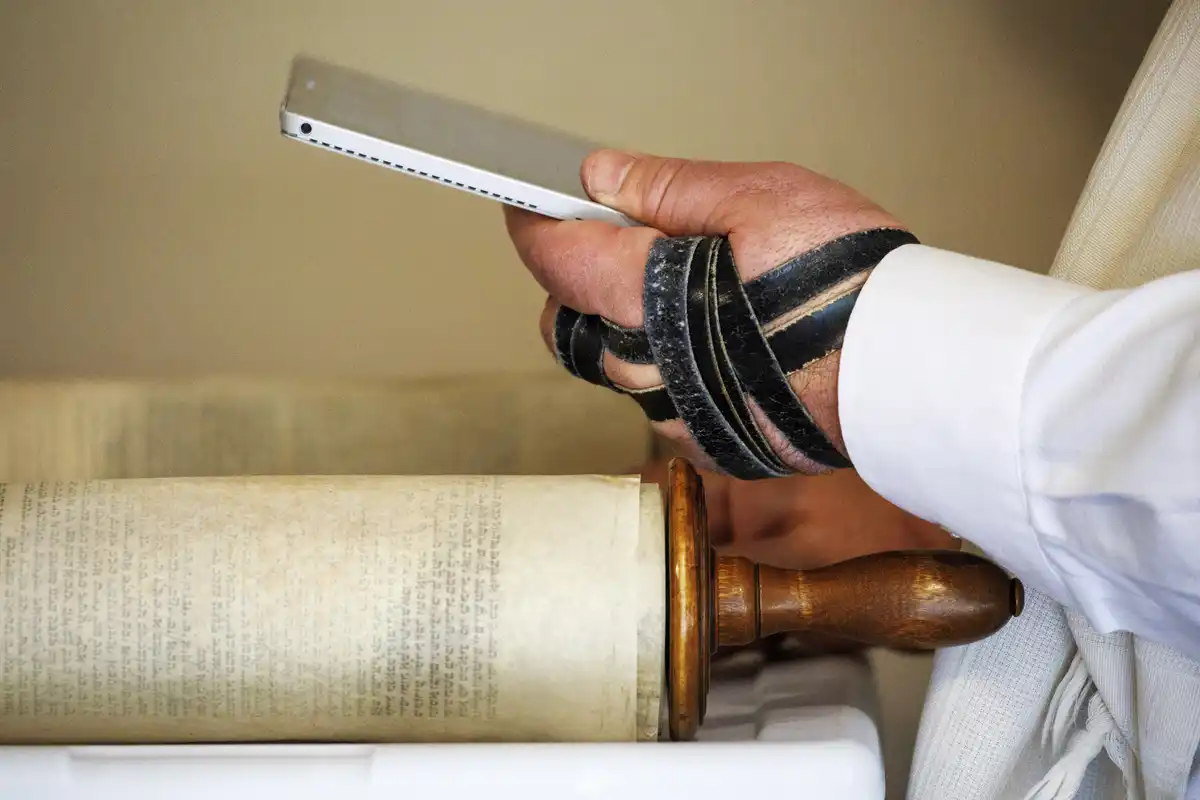
The US House of Representatives has advanced a bill to make daylight saving time permanent, but Orthodox Jewish organisations are urging lawmakers to reject the measure over concerns it would delay sunrise and disrupt daily prayer schedules.
The Sunshine Protection Act, passed 308-117 on Tuesday (July 14), now moves to the Senate, where its fate remains uncertain. Former President Donald Trump has publicly supported the proposal, calling the biannual clock change a "ridiculous, twice yearly production."
Why Orthodox Jews oppose permanent daylight saving
Orthodox Jewish law requires the morning Shacharit prayer service to begin at dawn, with communal recitations—such as the Shema—demanding a quorum of 10 adults, known as a minyan. A later sunrise would push these prayers into the workday, complicating attendance for many observant Jews.
"The bottom line is, if prayers have to start an hour later that will have a direct effect on people getting to work and on when schools can start," said Rabbi A.D. Motzen, national director of government affairs for Agudath Israel of America. His organisation, alongside the Orthodox Union and the Coalition for Jewish Values, argues that a 9 a.m. sunrise in some regions would make morning services unsustainable for working congregants.
Broader concerns and next steps
Opposition extends beyond religious groups. Medical experts warn that permanent daylight saving time misaligns with the body’s natural circadian rhythms, while parents and school boards cite safety risks for children walking to school in pre-dawn darkness. Senator Tom Cotton, R-Ark., has already signalled resistance, having previously blocked fast-tracking the bill.
If enacted, the change would eliminate clock adjustments but result in winter sunrises after 8 a.m. nationwide—and after 9 a.m. for up to 55 days annually in cities like South Bend, Indiana. The bill’s progress now hinges on Senate approval, where its passage remains far from guaranteed.