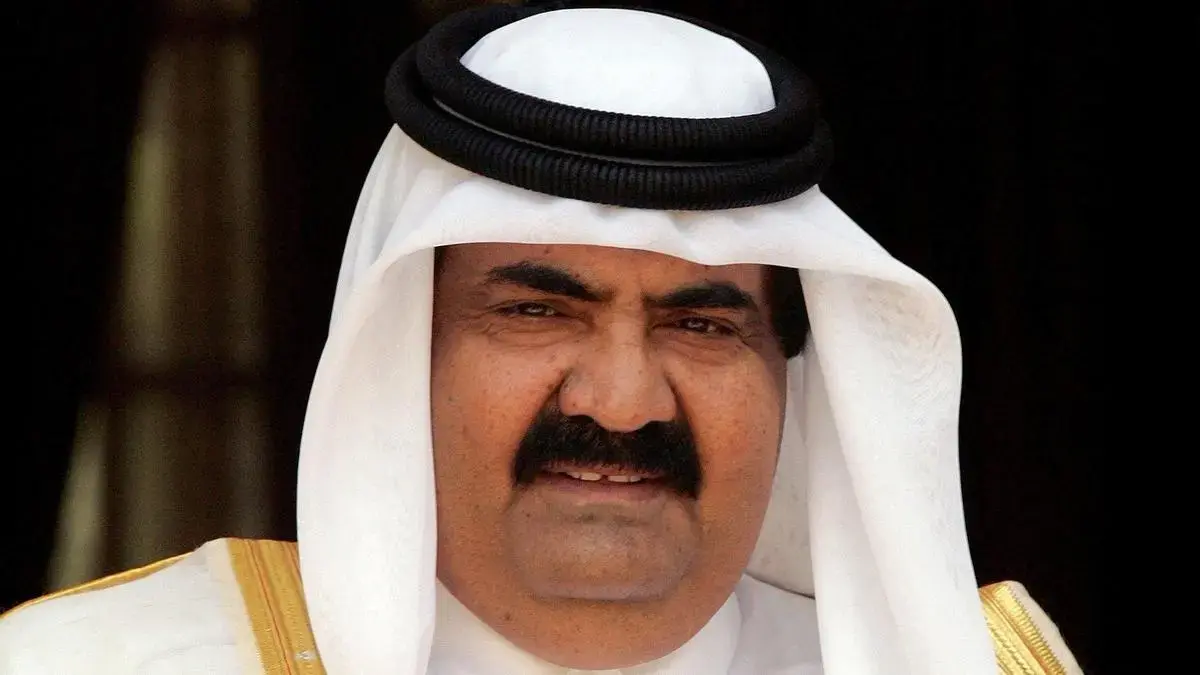
Sheikh Hamad bin Khalifa Al-Thani, Qatar’s former emir and the architect of its economic and geopolitical transformation, has died at 74. His leadership turned the Gulf state into a global LNG powerhouse and a key mediator in regional conflicts.
Economic Legacy: LNG and Global Influence
Sheikh Hamad’s tenure saw Qatar develop its liquefied natural gas (LNG) infrastructure, enabling it to export vast reserves and become one of the world’s largest suppliers. This economic shift laid the foundation for Qatar’s wealth and global standing.
He also established Al Jazeera, amplifying Qatar’s voice in Arab politics, and secured the 2022 FIFA World Cup, accelerating infrastructure growth in Doha. These moves cemented Qatar’s role as a regional hub for media, sports, and diplomacy.
Geopolitical Impact and Controversies
Under Sheikh Hamad, Qatar positioned itself as a mediator in conflicts from Lebanon to Yemen, balancing ties with the U.S., Iran, and allied groups. His support for revolutionary movements during the Arab Spring, however, strained relations with Saudi Arabia and the UAE.
Critics accused Qatar of backing factions aligned with its interests, particularly the Muslim Brotherhood, deepening Gulf divisions. His foreign policy legacy continues to shape regional dynamics, including current U.S.-Iran negotiations and Gaza ceasefire efforts.
Succession and Leadership Style
Sheikh Hamad seized power in a 1995 bloodless coup and later abdicated in 2013 to his son, Sheikh Tamim, ensuring a smooth transition. His leadership style was marked by accessibility—he frequented Doha’s souq—and a focus on modernisation.
His wife, Sheikha Moza bint Nasser, played a key role in education and social reforms, complementing his economic and political vision. Together, they reshaped Qatar’s trajectory, leaving a lasting impact on its economy and global profile.


