The United States has reinstated its maritime blockade on Iran, President Donald Trump announced on July 13, 2026, as escalating strikes between Washington and Tehran disrupted shipping in the Strait of Hormuz. The move follows a weekend of attacks that threatened a fragile ceasefire and sent oil prices surging over 4%.
Strait of Hormuz Shipping Plummets Amid Safety Fears
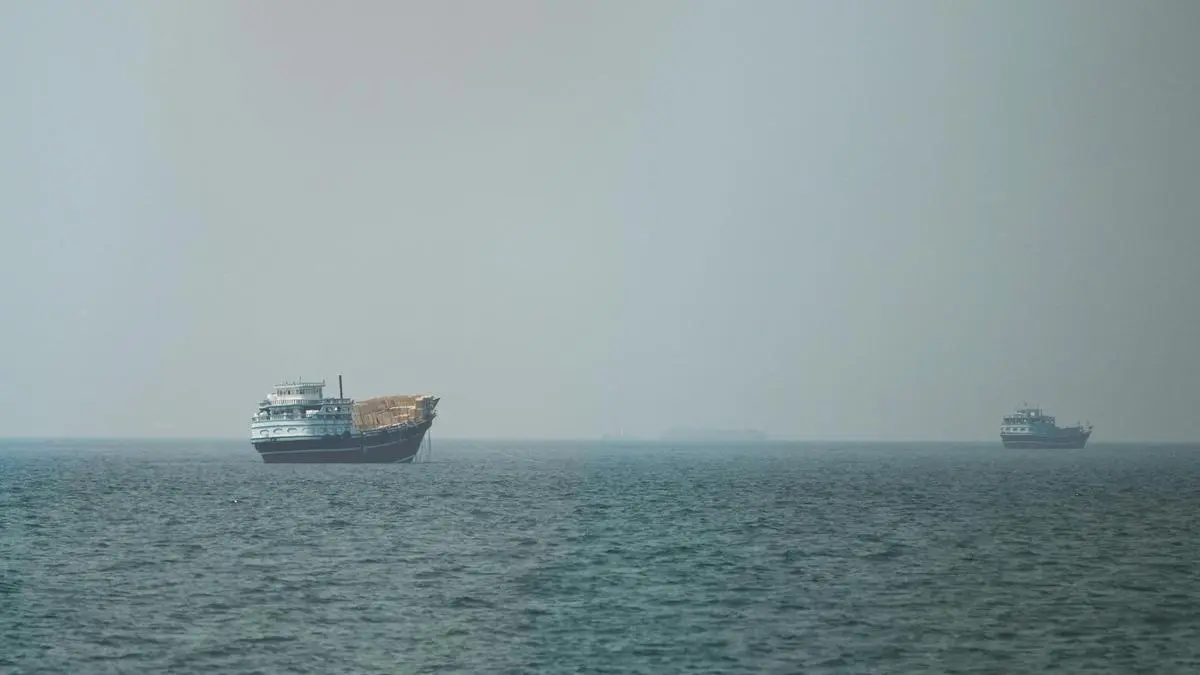
Tanker traffic through the Strait of Hormuz fell to its lowest level in two months on July 13, according to shipping data from Kpler. Only six vessels transited the waterway, the fewest in five weeks, as many ships disabled their AIS tracking transponders to avoid detection. Industry analysts warned that a prolonged closure could worsen global energy supply constraints.
Ship broker Gibson noted in a report that the renewed escalation risks another extended shutdown of the strait, which once carried a fifth of the world’s traded crude oil and natural gas.
Regional Tensions Flare as Attacks Spread
Iran and the U.S. each claimed control of the Strait of Hormuz after a weekend of strikes. Iran’s Revolutionary Guards announced attacks on U.S. military facilities in Bahrain, Kuwait, and Oman, as well as fuel depots at Jordan’s Prince Hassan Air Base. Bahrain’s military reported intercepting Iranian drones and missiles, while Jordan said it downed four Iranian missiles entering its airspace.
In Yemen, the Houthi rebels confirmed an Iranian plane carrying a delegation and medical patients landed despite a government airstrike on Sanaa airport. Yemen’s defense ministry stated it targeted the runway to prevent the Iranian aircraft from landing, accusing the Houthis of violating national sovereignty.
Diplomatic Efforts Strain as Ceasefire Collapses
The June 17 memorandum of understanding between the U.S. and Iran, aimed at extending a ceasefire and launching nuclear talks, is now in jeopardy. Tehran accused Washington of violating the agreement, while Trump declared the ceasefire “over.” Iran’s Foreign Ministry spokesman, Esmaeil Baqaei, said mediators from Qatar, Pakistan, and Oman were working to prevent further escalation.
Meanwhile, the U.K. announced plans to ban Iran’s Islamic Revolutionary Guard Corps (IRGC) as a national security threat, with Prime Minister Keir Starmer warning supporters of the group could face up to 14 years in prison.
What to Watch Next
Global markets reacted sharply, with oil prices jumping over 4% and Asian stocks declining. The U.S. military confirmed a new wave of strikes against Iranian targets, while Iran vowed continued retaliation. Observers are watching for further disruptions to shipping and potential responses from Gulf allies.