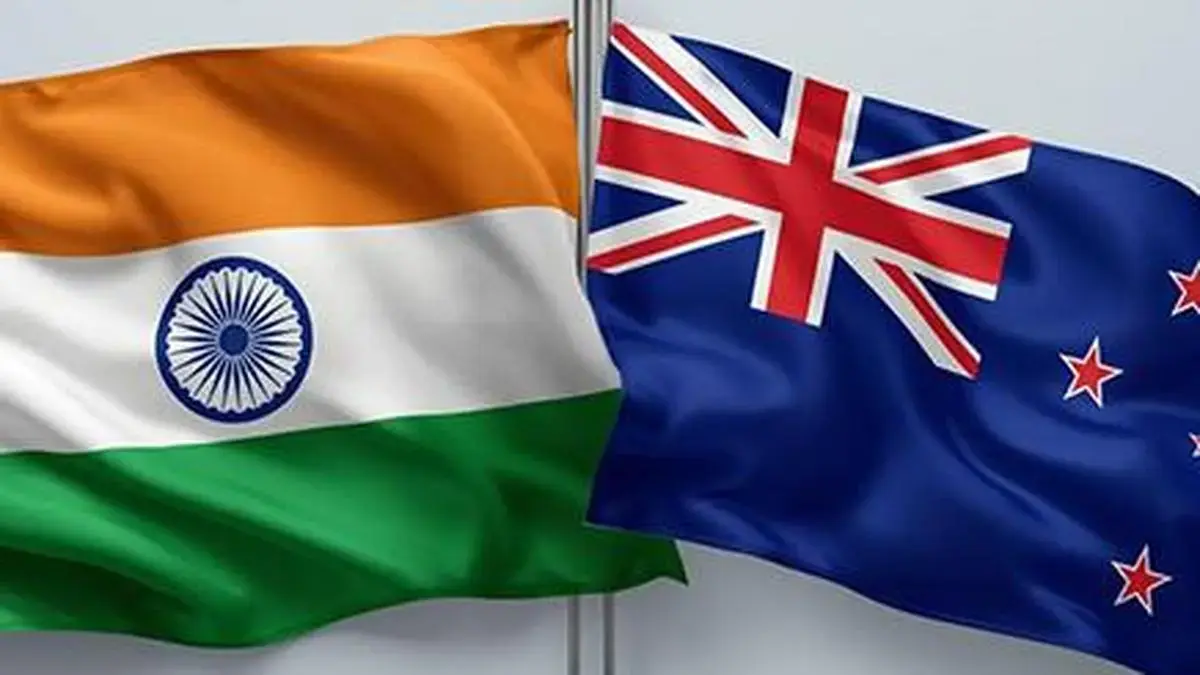
India and New Zealand have set a 2030 target to double bilateral trade in goods and services to ₹35,000 crore (NZ$7 billion), underpinning a new Strategic Partnership that includes fast-tracking their Free Trade Agreement (FTA). The move signals deeper economic integration and expanded market access for businesses in both nations.
India-New Zealand FTA: Economic and Strategic Implications
The FTA, signed on April 27, 2026, is a centerpiece of the six-pillar Strategic Partnership, which also covers defence, maritime security, agri-tech, and Indo-Pacific coordination. Prime Minister Narendra Modi and New Zealand’s Christopher Luxon announced the roadmap during bilateral talks in Auckland, emphasizing the pact’s role in unlocking investment and trade opportunities.
Despite political opposition from New Zealand First party leader Winston Peters—who called the FTA “neither free nor fair”—New Zealand’s government has assured India of bipartisan support. The ratification process has begun, with the first of three mandatory parliamentary readings completed, though no firm timeline for implementation has been set.
Trade and Investment Commitments
Modi and Luxon engaged with CEOs to accelerate commercial ties, with New Zealand pledging to facilitate up to US$20 billion in investments. The focus remains on long-term economic collaboration rather than binding commitments, leveraging India’s structural reforms and market potential.
The two nations also signed a Memorandum of Arrangement on Maritime Cooperation, strengthening Indo-Pacific security through dialogue, information sharing, and joint activities. The FTA’s early implementation remains a priority, with both sides aiming to resolve domestic concerns and expedite parliamentary approvals.


