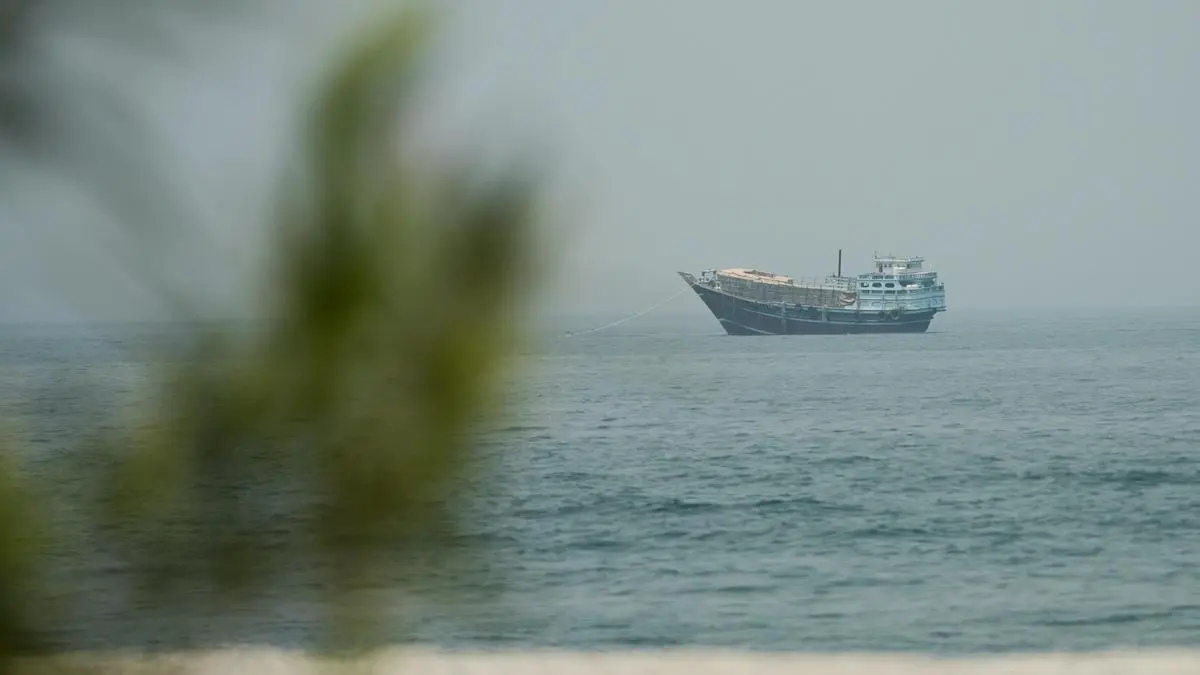
An Indian seafarer aboard a Very Large Crude Carrier (VLCC) described a tense transit through the Strait of Hormuz on July 13, 2026, as the crew navigated conflicting warnings from the Iranian Navy and assurances from the U.S. Navy. The tanker, carrying over two million barrels of crude oil, was one of several vessels caught in escalating regional tensions.
Escalating Threats and Incentives
The crew initially halted near Abu Dhabi for four days after loading in Basrah, Iraq, as attacks on nearby ships raised threat levels. The company later offered doubled incentives to proceed, citing limited VLCC loading ports and prolonged regional instability. The sailor noted the pressure to move forward despite the risks.
As the tanker approached the strait, Iranian warnings via radio declared the waterway "closed," threatening to target vessels that did not alter course. The U.S. Navy countered, urging ships to continue, asserting protection in international waters. The crew described the psychological strain of conflicting directives.
U.S. Navy Support and Uncertainty
The transit relied on constant coordination with the U.S. Navy, with position updates every 10 minutes and detailed reports every 10 miles. The crew used secure email for direct communication, avoiding open radio channels. Despite the U.S. presence, the sailor acknowledged possible Iranian restraint, noting the environmental risks of striking a fully loaded VLCC.
Two other ships accompanied the tanker, with helicopters and jets overhead. The sailor speculated that unseen U.S. interventions or Iran’s caution over environmental damage may have spared their vessel. Now en route to the Arabian Sea, the crew prioritized safety over financial incentives.