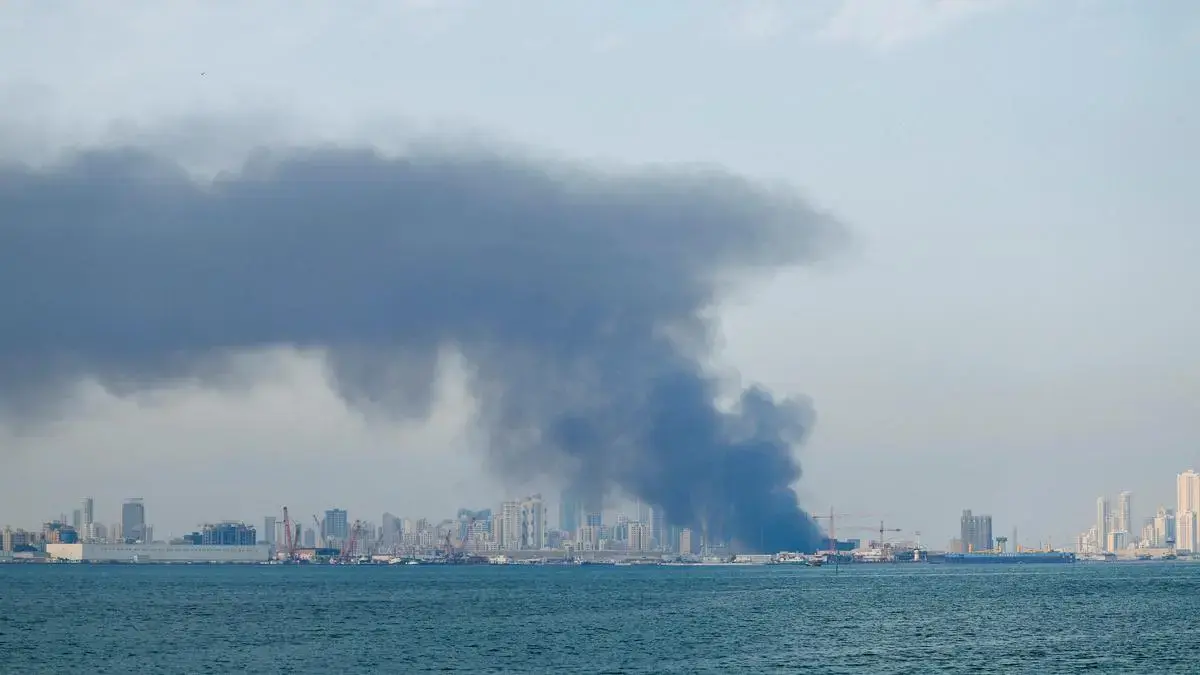
Bahrain activated missile alert sirens twice on Monday as Iran launched retaliatory strikes following US airstrikes, signaling renewed volatility in the Strait of Hormuz—a critical chokepoint for global oil and gas trade. The island kingdom, home to the US Navy’s 5th Fleet, urged residents to seek shelter, though no immediate damage or casualties were reported.
Escalation Threatens Strait of Hormuz Oil Flows
The attacks follow a weekend of Iranian strikes targeting Bahrain, Kuwait, Qatar, Jordan, and Oman, whose territorial waters border the strait. Once handling a fifth of the world’s oil and natural gas, the narrow waterway has become a flashpoint in the interim US-Iran deal, now nearly halfway through its 60-day term. The agreement, intended to pave the way for permanent peace talks, has instead devolved into tit-for-tat strikes.
Market Implications of Renewed Hostilities
UN Secretary-General Antonio Guterres warned that a return to full-scale conflict would have “catastrophic consequences,” underscoring the economic stakes. The Strait of Hormuz’s disruption could destabilize energy markets, with investors monitoring the US-Iran negotiations closely. The US military confirmed it concluded its latest round of strikes on Iran, targeting dozens of sites, before Iran’s Revolutionary Guard launched its response.
With no resolution in sight, businesses and investors face heightened uncertainty over energy supply chains and regional stability. The interim deal’s failure to curb hostilities raises the risk of prolonged market disruption.


