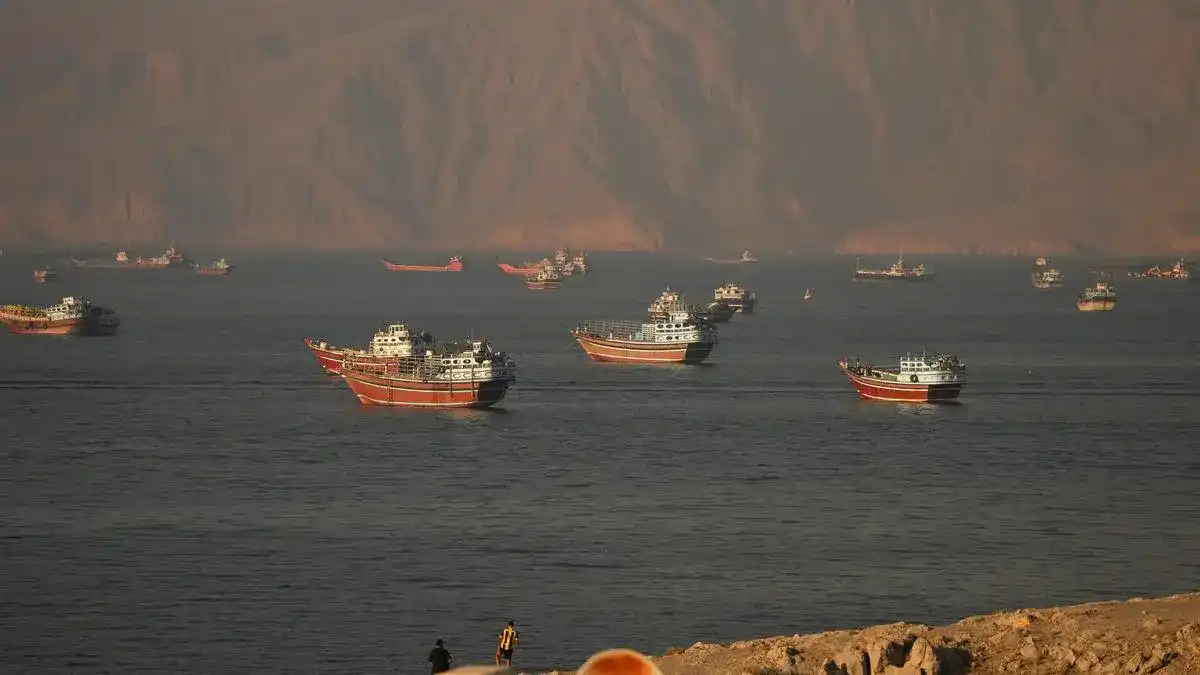
The Strait of Hormuz, a critical chokepoint for global oil trade, is at the center of a high-stakes dispute between the US and Iran, with both nations asserting control after a weekend of escalating attacks. The conflict threatens to derail diplomacy and reignite full-scale hostilities, with oil markets already on edge.
Why the Strait of Hormuz Matters to Energy Markets
The waterway, which once carried a fifth of the world’s traded crude oil and natural gas, remains a flashpoint. Iran has disrupted shipping by attacking commercial vessels, tightening its grip on the narrow mouth of the Persian Gulf. The US military’s Central Command countered by striking dozens of Iranian sites, including air defense systems and missile equipment, insisting the strait remains open.
Oil prices, which spiked to wartime highs of USD 120 per barrel, have since dropped sharply, but the standoff risks renewed volatility. Iran’s Revolutionary Guard declared the strait its territory, while the US dismissed the claim as illegal interference.
Escalating Strikes and Regional Fallout
The US reported hitting 140 targets in recent strikes—far exceeding prior rounds—while Iran retaliated by attacking nations hosting US forces. Missile alerts sounded in Bahrain and Kuwait, with Iran acknowledging explosions on its soil and at least one fatality.
- US strikes targeted missile/drone sites, ammunition dumps, and communication equipment
- Iran’s attacks spanned Bahrain, Kuwait, Qatar, Jordan, and Oman
- Oman, a key mediator, summoned an Iranian diplomat over the strikes
Diplomatic Efforts and Market Implications
Despite US President Donald Trump’s suggestion that the interim deal is “over,” mediators like Pakistan and Qatar continue pushing for a ceasefire. Iran’s new Supreme Leader, Ayatollah Mojtaba Khamenei, vowed revenge for his father’s killing, signaling no immediate de-escalation.
For investors, the stakes are clear: a return to full-scale conflict could trigger a global energy crisis, while prolonged instability may sustain elevated shipping risks and price swings. Analysts warn that the Strait of Hormuz’s status—open or closed—will dictate near-term oil market direction.


