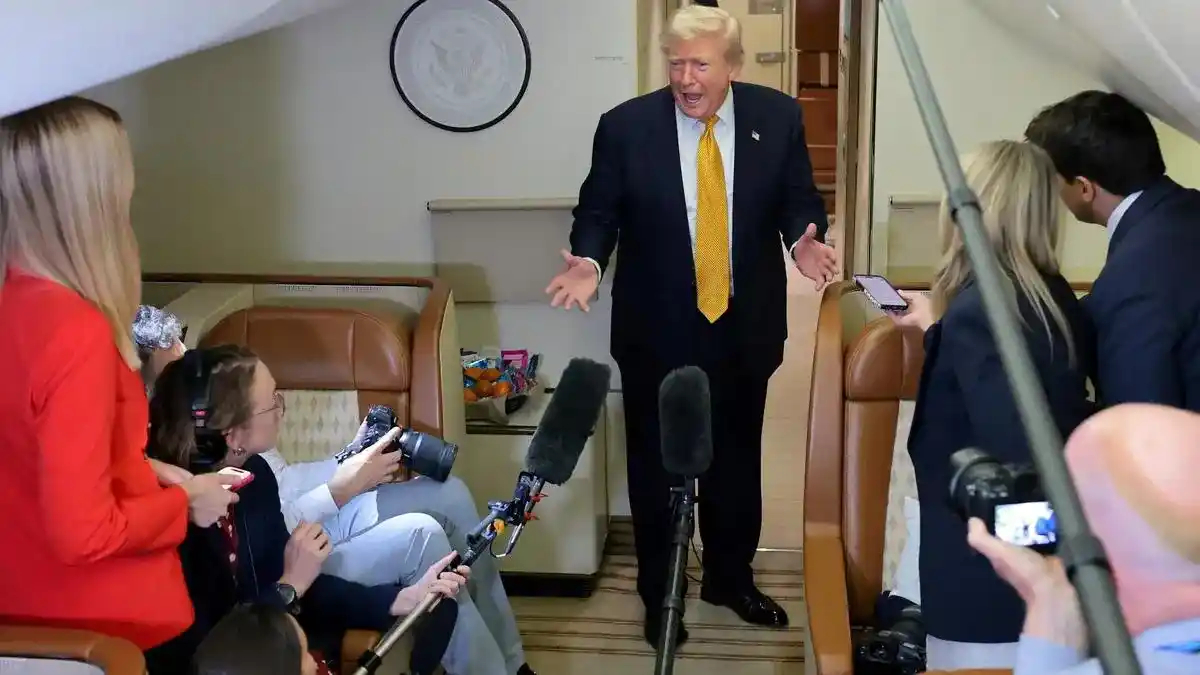
The Trump administration has issued subpoenas to multiple New York Times reporters, compelling them to testify before a federal grand jury over a recent investigation into security flaws in the new Air Force One, a $400 million retrofitted jet gifted by Qatar. The move escalates tensions between the government and the press, with legal and market implications for defense contractors and media stakeholders.
Subpoenas Target NYT Journalists Over Security Report
Federal agents delivered subpoenas to reporters including Julian E. Barnes, Eric Lipton, Tyler Pager, and Eric Schmitt, demanding their testimony by Wednesday. The New York Times report, citing anonymous sources, claimed the new plane lacked advanced security features—such as antimissile capabilities—present in older models. The White House denied these allegations, calling the aircraft "state-of-the-art."
Geopolitical Context and Plane Swap
The controversy follows President Trump’s abrupt switch from the new Air Force One to an older model during a NATO summit in Turkey, amid collapsing cease-fire talks with Iran. The New York Times reported the Secret Service urged the change due to security concerns, though Trump dismissed threats, stating, “I have a threat all the time. I'm No. 1 on their list.”
Press Freedom and Legal Precedent
The New York Times’s lawyer, David McCraw, condemned the subpoenas as a violation of constitutional press freedoms. The DOJ has previously issued—and later withdrawn—similar subpoenas to The Washington Post and The Wall Street Journal. The outcome of this case could set a precedent for government-press relations and defense transparency.
Analysts note the incident underscores risks for aerospace contractors and media organizations navigating classified security disclosures. The $400 million retrofit’s scrutiny may also influence future defense procurement decisions.


