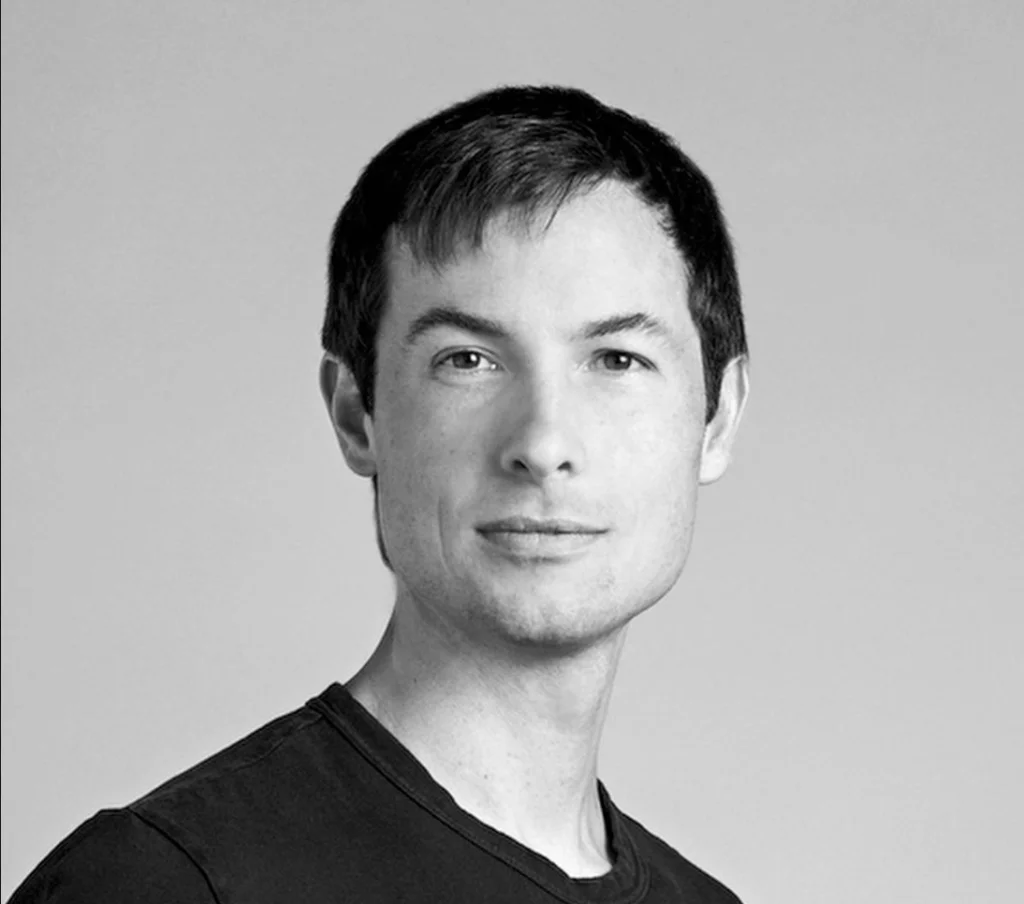
Reed Jobs isn’t here to talk about Apple. The son of Steve Jobs is laser-focused on Yosemite, his oncology-focused venture firm that’s building biotech companies from the ground up—using AI to turn academic research into real cancer treatments faster than ever.
Three years after launching, Yosemite is betting big on AI’s role in drug discovery and clinical trials, with a portfolio that includes Azalea (born from a Jennifer Doudna lab grant) and Quarry (pioneering "induced proximity" therapies that trick cells into destroying disease-causing proteins). The firm’s second fund, targeting $350 million, is now deploying capital across 25+ startups, with about a third going toward in-house company creation.
How Yosemite’s model accelerates cancer breakthroughs
Yosemite stands out by combining venture capital with no-strings-attached philanthropy to de-risk early-stage ideas. Two of its first 20 companies emerged directly from grants, while 2.5% of its fund’s assets go toward unrestricted research funding. The approach has already helped pioneer advances like epigenetic gene editing (which tweaks gene activity without altering DNA) and targeted gene therapy delivery—both critical bottlenecks in oncology.
Jobs points to a shifting biotech landscape: pharma’s patent cliff is creating acquisition opportunities, and AI is unlocking once-"undruggable" targets like KRAS (a smooth, oval-shaped protein long considered untouchable) and p53 (a tumor suppressor gene mutated in nearly all cancers). Yosemite is attacking p53 with three separate companies, aiming to restore its function—a potential "Achilles’ heel" for cancer.
AI’s real impact: Faster trials, smarter drug design
AI isn’t just hype—it’s cutting the grunt work in drug development. Jobs highlights its role in:
- Clinical trials: AI can create synthetic control arms, halving patient recruitment costs (a Phase 3 cancer trial averages $260M and has a 33% success rate).
- Drug discovery: AI has expanded the "druggable genome" from 15% to new frontiers, like KRAS variants, by identifying hidden molecular pockets.
- Healthcare inefficiencies: From 911 triage to electronic health records, AI is modernizing outdated systems (yes, some hospitals still use fax machines).
What’s next for Yosemite and the fight against cancer
With Eli Lilly now the world’s first trillion-dollar pharma company (thanks to GLP-1 drugs), Jobs sees fresh momentum in oncology. Yosemite’s portfolio includes Tune Therapeutics (epigenetic editing for hepatitis B) and Histosonics (noninvasive liver tumor destruction via ultrasound-like tech). Two startups have already failed scientifically—a expected outcome in high-risk, early-stage biotech—but the firm’s open-door policy means any founder with a cancer-fighting idea can pitch.
As for longevity? Jobs is skeptical of one-size-fits-all solutions. "Aging isn’t a single problem—it’s a thousand different ones," he says. For now, Yosemite is sticking to what it knows: turning cutting-edge science into cures, one startup at a time.


