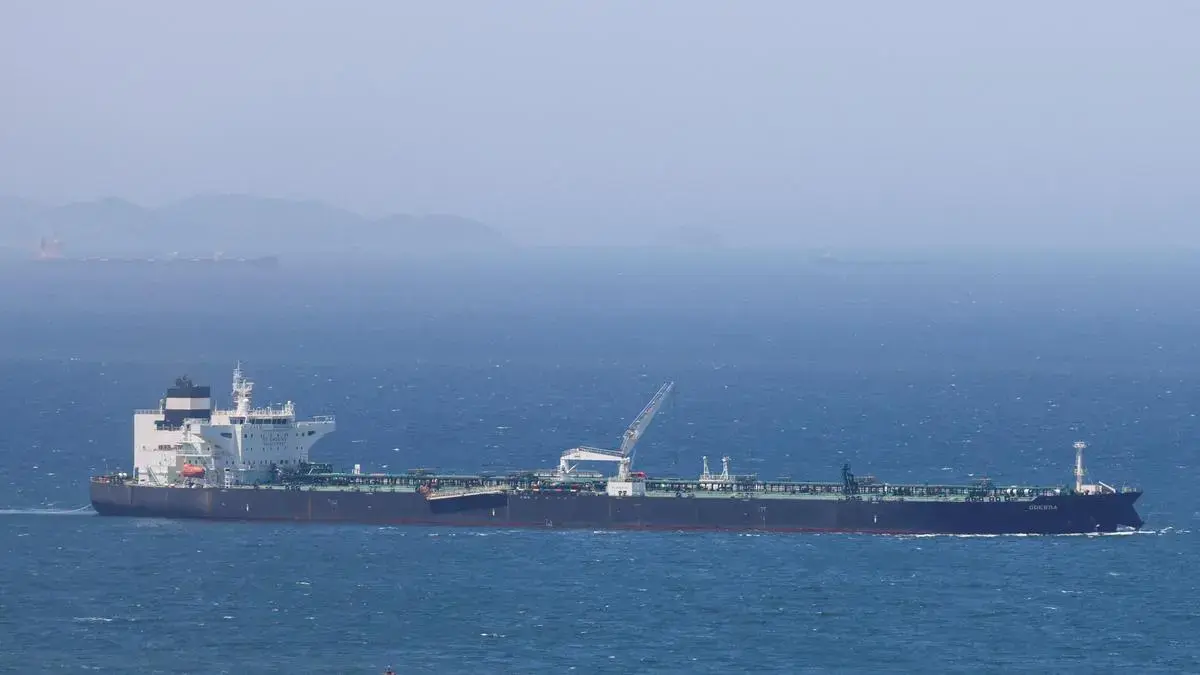
Iran has declared the Strait of Hormuz closed after firing a warning shot at a vessel using an "unauthorised route," escalating tensions that threaten global oil supply chains and the fragile US-Iran ceasefire. The move risks disrupting a waterway that previously handled a fifth of all traded oil and natural gas, with crude prices already volatile after wartime highs of USD 120 per barrel.
Ceasefire Under Strain as Iran Asserts Control
Iran’s Foreign Minister Abbas Araghchi met with Oman’s counterpart to discuss "appropriate mechanisms for ensuring the safe passage of ships," but Iran insists the strait now falls under its control and plans to charge transit fees. The US, meanwhile, urges mariners to use a southern route through Oman’s waters. Washington has also ended waivers allowing Iran to sell crude in US dollars, a step Araghchi called a violation of the interim deal, stating, "Reality check: There can only be mutual compliance."
Retaliation Threats and Regional Escalation
New Supreme Leader Mojtaba Khamenei vowed revenge for his father’s killing in February 28 strikes, calling it "the will of our nation." His statement followed US President Donald Trump’s threat of "a thousand missiles locked and loaded" in response to alleged Iranian assassination plots. Trump has declared the ceasefire over but said negotiations would continue.
Recent strikes on Iran—unclaimed by Israel but potentially linked to Gulf Arab states—killed at least 17 and wounded 115, per Iran’s Health Ministry. Iran retaliated by targeting Bahrain, Jordan, Kuwait, and Qatar, while US officials cited a "rogue faction" of Iranian hardliners sabotaging the truce.
Market Implications: Oil and Geopolitical Risks
With the strait’s status in flux, energy markets face renewed uncertainty. Prior to the war, the waterway was a critical chokepoint for global oil flows; its closure could reignite the energy crisis that saw prices spike earlier this year. Oman and Iran agreed to continue talks at "technical and political levels," but the US demands a public Iranian commitment to keep the strait open and attack-free.


