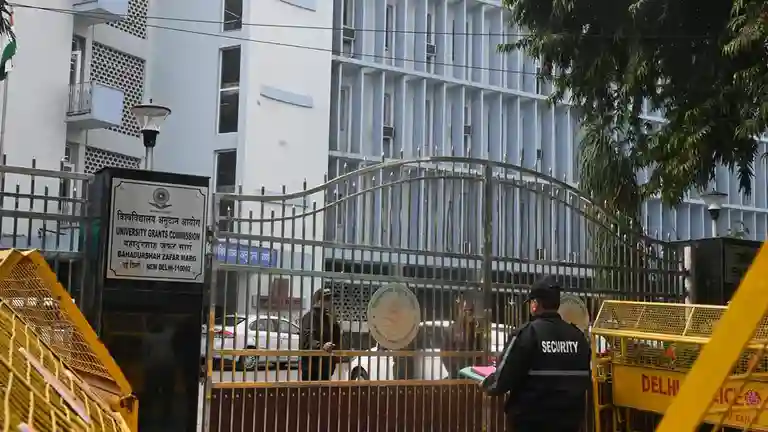
NDA-ruled states and universities have raised objections to the Viksit Bharat Shiksha Adhishthan Bill, 2025, warning it centralises higher education regulation under the Centre. The proposed law, currently under review by a joint parliamentary committee, seeks to replace the UGC, AICTE, and NCTE with a single apex body, the VBSA.
Key objections to the Shiksha Adhishthan Bill
Andhra Pradesh, Madhya Pradesh, and Meghalaya—all governed by BJP allies—have submitted concerns to the panel. Andhra Pradesh argued the Bill could render state legislative powers in higher education ineffective, citing Clause 11, which allows the VBSA to bypass state universities in granting degrees. The state also demanded mandatory consultation before decisions affecting its institutions.
Madhya Pradesh flagged limited state representation in the proposed regulatory council, while Meghalaya called for explicit definitions of the Centre’s and states’ powers. It proposed the Centre handle coordination and standards, while states retain control over university governance and financing.
Universities warn of institutional disruption
Central and state universities, including BHU and IIIT Chittoor, criticised provisions they say increase centralisation. BHU noted Clause 45 binds the VBSA to Centre-issued policy directions, risking regulatory independence. Clause 47 further allows the Centre to supersede the VBSA, which BHU warned could turn the regulator into an executive arm.
Institutions also called for phased implementation of the Bill, parliamentary oversight, and mandatory state consultation before central powers are invoked. Some cautioned that dismantling the UGC, AICTE, and NCTE simultaneously could cause significant disruption.
States demand checks on central authority
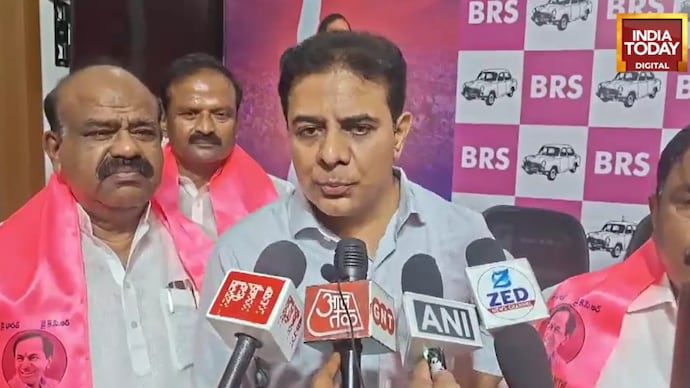
Telangana, ruled by Congress, sought the deletion of Clause 11, which permits the VBSA to authorise colleges to grant degrees directly. The state described Clause 45 as the Bill’s most centralising provision, granting the Centre final authority in disputes. It argued the Bill lacks mechanisms to regulate fees, potentially enabling escalation.
The parliamentary panel, headed by BJP MP D. Purandeswari, is finalising its report. Observers now await its recommendations on addressing these concerns.