The India-US relationship transformed from Cold War mistrust to a strategic partnership after 9/11, with defense, trade, and technology ties deepening over two decades.
The Turning Point: 9/11 and Early Cooperation
In November 1999, then-presidential candidate George W. Bush predicted India’s rise as a global democratic force. His prophecy began materializing after the September 11, 2001 attacks, which refocused US attention on terrorism. Washington, previously dismissive of India’s concerns over cross-border terrorism from Pakistan, now sought New Delhi’s support.
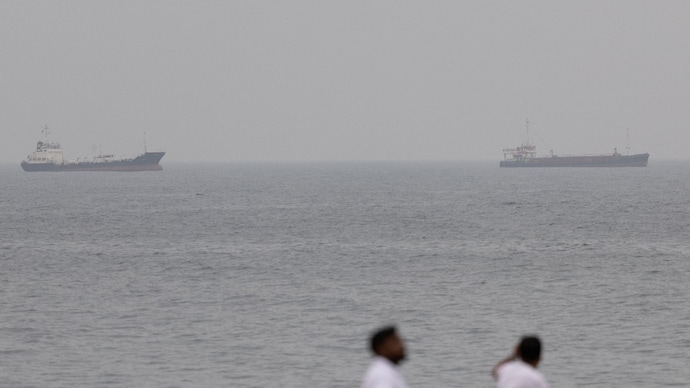
India contributed intelligence and logistical aid for US operations in Afghanistan. In 2002, the Indian Navy escorted 24 US-flagged vessels through the Strait of Malacca under Operation Sagittarius. By 2005, the two nations formalized defense ties with the New Framework for the US-India Defense Partnership, prioritizing maritime security and counterterrorism.
The Nuclear Deal and Bipartisan Growth
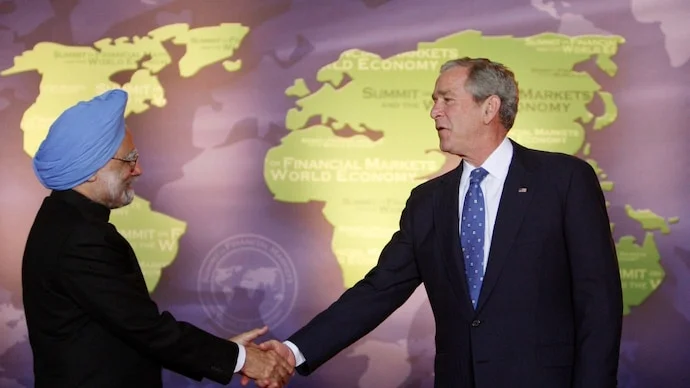
The defining moment came on July 18, 2005, when Prime Minister Manmohan Singh and President Bush announced the India-US Civil Nuclear Agreement. Finalized in 2008, it ended India’s isolation from global nuclear commerce despite its non-NPT status, following a US-backed waiver from the Nuclear Suppliers Group.
The agreement cemented a bipartisan partnership. President Barack Obama later called the US-India relationship “a defining partnership of the 21st century.” Cooperation expanded across defense, intelligence, and Indo-Pacific security, while trade and technology became key pillars.
Trade, Defense, and Emerging Tensions
Indian IT firms like Tata Consultancy Services, Infosys, and Wipro became critical partners for US companies, driving digital transformation. By 2025, Apple had made India its largest manufacturing hub outside China. Bilateral trade reached nearly $149 billion, with the US as India’s top market for IT services.
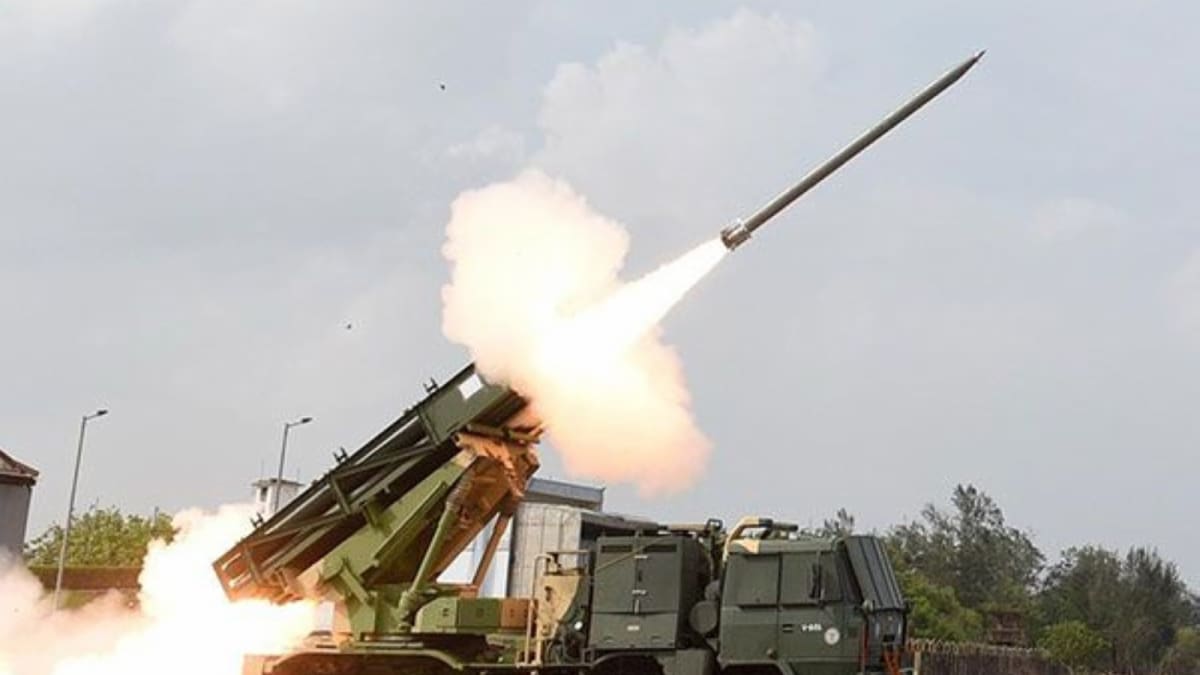
Defense ties strengthened under Obama, who designated India a Major Defense Partner in 2016. Agreements like COMCASA (2018) and BECA (2020) enhanced military interoperability. Under Biden, the Quad—with Japan and Australia—became a regular forum, while semiconductor and tech cooperation deepened.
Frictions persisted, however. India refused to support the 2003 Iraq invasion and retaliated against US tariffs in 2019. In 2025, Washington imposed a 50% tariff on Indian imports after penalizing New Delhi for purchasing Russian oil. Strategic autonomy and trade disputes remain unresolved.
The Path Forward
Despite tensions, the partnership is resilient. From the nuclear deal to the Quad, and from $149 billion in trade to Indo-Pacific cooperation, both nations have built a relationship too vital to discard. Future collaboration will hinge on managing differences while expanding defense, technology, and maritime security ties.