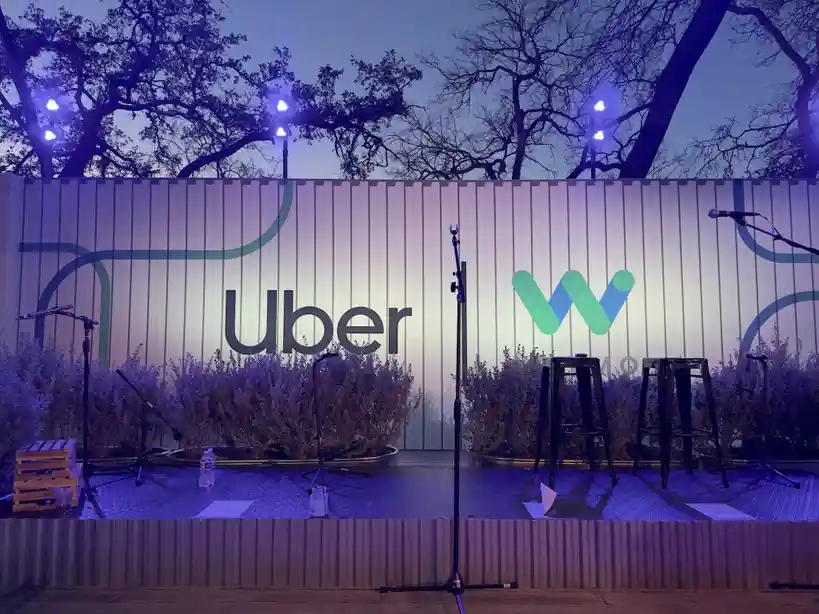
A proposed bill in Washington, D.C. could redefine how robotaxis operate—and it’s pitting Uber against its own business partner, Waymo. The legislation would allow fully autonomous vehicles to run commercially in the district, but Uber wants them tied to ride-hailing networks that also use human drivers.
Why Uber and Waymo Are at Odds Over D.C.’s Robotaxi Rules
Uber, which opposes the bill, warns it could hand Waymo a monopoly by sidelining human drivers. The company argues that robotaxis—like those from Alphabet-owned Waymo—create congestion, can’t assist disabled passengers like humans can, and displace roughly four drivers per AV. Uber’s alternative? A "hybrid model" where riders choose between human-driven or autonomous vehicles on the same app.
Waymo, backing the bill, says it ensures safe AV deployment while supporting public transit and equitable access. The proposed law would let the District Department of Transportation (DDOT) issue permits for driverless testing and operations, with requirements like:
- $5 million minimum liability insurance
- Crash data reporting within 8–72 hours
- A $0.15-per-mile tax on robotaxis (50% funding public transit, 50% supporting displaced drivers)
The Bigger Fight: Who Controls the Future of Ride-Hailing?
This isn’t just a D.C. debate. Uber is lobbying for hybrid networks nationwide, even as it partners with 30+ AV developers and builds its AV Labs to share driving data. Meanwhile, Waymo—now offering 500,000+ weekly rides in 11 cities—wants AVs to operate independently, not just through Uber’s app.
The tension isn’t new. In 2017, Waymo sued Uber over trade secrets (settled in 2018), and their recent partnership in Austin and Atlanta has already hit public snags. Uber’s CEO Dara Khosrowshahi recently hinted at regulatory concerns, citing Waymo’s AVs in school zones and power outages. With a D.C. hearing on Monday and similar battles looming in London, the fight over robotaxi rules is just getting started.


