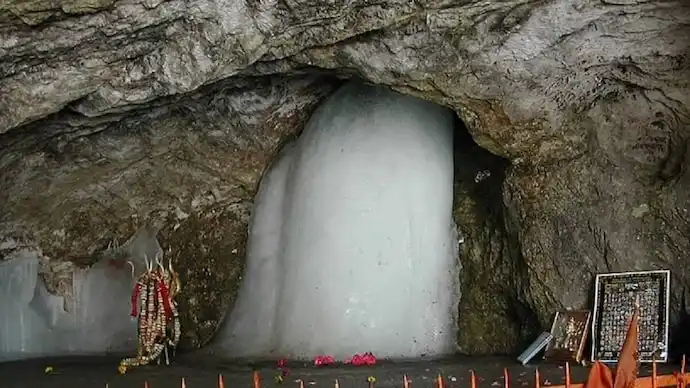
The Amarnath ice lingam has melted by over 90% within five days of the 57-day Yatra’s start, as record pilgrim numbers return to the Himalayan shrine a year after the Pahalgam terror attack disrupted tourism in Jammu and Kashmir.
Record Pilgrim Turnout Amid Security Concerns
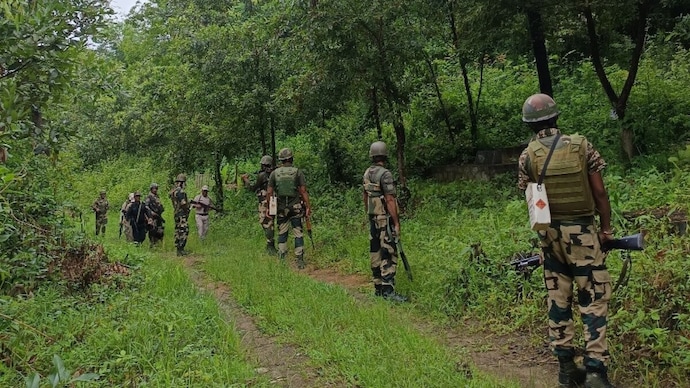
The Amarnath Yatra began on July 3 under heightened security following the April 2025 Pahalgam attack that killed 26 civilians. Despite concerns, at least 93,000 pilgrims visited the shrine in the first four days, with over 20,000 arriving on the second day alone—the highest second-day footfall in years.
Jammu and Kashmir Lieutenant Governor Manoj Sinha, who heads the Shri Amarnath Shrine Board (SASB), noted the "massive surge" but warned of unregistered pilgrims straining security and infrastructure. The Board has capped daily pilgrim numbers at 10,000 per route, though thousands have arrived without mandatory health certificates or RFID registration.
Debate Over Causes of Early Melting
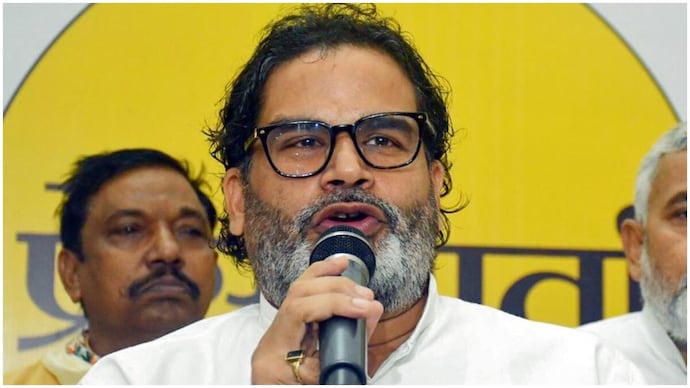
Reports and social media posts confirm the ice lingam, revered as Baba Barfani, has shrunk dramatically. PDP leader Iltija Mufti and others have questioned whether rising pilgrim numbers, infrastructure expansion, or climate change are accelerating the melt. The cave, located at 3,888 metres in Anantnag district, hosts a seasonal ice stalagmite sensitive to temperature and humidity.
Scientists note the Himalayas are warming faster than other mountain systems, with unusual heat around the cave cited as a likely factor. Similar early melting occurred in 2004, 2006, 2007, 2016, and 2020, though this year’s melt appears earlier than usual.
Infrastructure and Environmental Concerns
Over the past two decades, the Amarnath route has seen widened roads, expanded temporary accommodation, and new infrastructure like langars and lighting. A proposed ropeway and tunnel projects have sparked debate over their ecological impact. Congress spokesperson Ashwani Handa called for an independent study to assess whether recent constructions, such as a rain shelter near the cave, are altering the microclimate.
No official scientific assessment has yet quantified the melt’s extent or its causes. The episode underscores the challenge of balancing pilgrimage access with preserving the fragile Himalayan ecosystem that sustains the sacred ice formation.