The Congress party has criticized the newly implemented Viksit Bharat-Guarantee for Rozgar and Ajeevika Mission (Gramin) Act, saying it replaces the Mahatma Gandhi National Rural Employment Guarantee Act (MGNREGA) with a centralized scheme that burdens state governments financially. The new law came into effect on July 1.
Concerns Over Rural Employment Rights
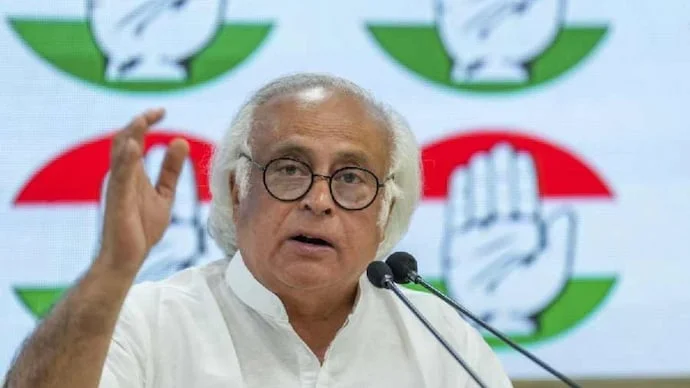
Congress leader Jairam Ramesh has termed the new law "Rozgar Adhikar chori," alleging that it takes away the constitutional right to work that MGNREGA provided. Ramesh shared an article by former Jammu and Kashmir finance minister Haseeb Drabu, who argued that the new law has converted a rights-based and demand-driven scheme into a formula-driven, centrally determined transfer.
The Congress has demanded the repeal of the new law and the reinstatement of a strengthened MGNREGA. The party has also raised concerns over the wages under the new law, saying they are unjustifiably low. According to the Congress, a just minimum wage for India's workers should be ensured by adopting the 2019 recommendation of the expert committee headed by Dr Anoop Satpathy and factoring in the rise in prices since then.
Key Differences Between MGNREGA and VB-G RAM-G Act
- MGNREGA provided a legal entitlement to 100 days of unskilled work
- VB-G RAM-G Act is a formula-driven, centrally determined transfer
- MGNREGA empowered gram panchayats, while the new law is highly centralized
The Congress has stepped up its criticism of the new law, with Ramesh and Drabu arguing that it has replaced MGNREGA's rights-based framework with a centralized model. The party's criticism has sparked a debate over the impact of the new law on rural employment and the rights of workers.