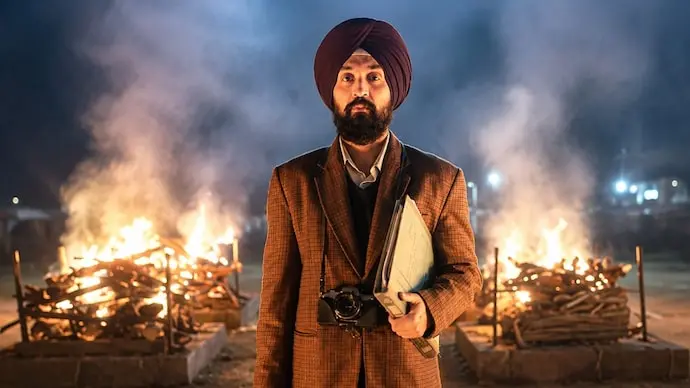
The film Satluj, starring Diljit Dosanjh and based on the life of human rights activist Jaswant Singh Khalra, was released on the streaming platform ZEE5 on July 3 and removed just 48 hours later, sparking widespread controversy. The sudden withdrawal has raised questions about the film's content, the platform's decision-making, and the government's role in the takedown.
Background and Release Strategy
The film, originally titled Panjab '95, had been stuck with the Censor Board for years due to demands for 127 cuts. The makers eventually released it on ZEE5 under the new title Satluj, exploiting a regulatory gap that allows streaming platforms to self-classify content. This move was seen as a way to bypass the Censor Board's certification process.
Government Intervention and Takedown
Government sources claimed that they directed ZEE5 to remove Satluj, citing "security concerns" and "obligations" under the Information Technology Rules, 2021. The government alleged that the film could be used by Khalistani elements to recruit support for their movement. However, it remains unclear whether ZEE5 received formal legal direction or informal communication.
The removal of Satluj from ZEE5 has sparked debates over freedom of expression and the role of the government in regulating online content. While some have criticized the government's intervention, others have raised concerns about the film's content and its potential impact.
Piracy Allegations and Aftermath
Diljit Dosanjh's comments on social media, urging people to share the film if they had downloaded it, have been criticized for potentially encouraging piracy. ZEE5 has since urged audiences not to circulate pirated copies and to await official releases. The film remains available on ZEE5 Global outside India.
- The film was released on ZEE5 on July 3 and removed on July 5.
- The Censor Board demanded 127 cuts for the film's original title, Panjab '95.
- The government cited "security concerns" for the takedown.
The controversy surrounding Satluj is likely to continue, with many calling for greater clarity on the government's role in regulating online content and the implications for freedom of expression.