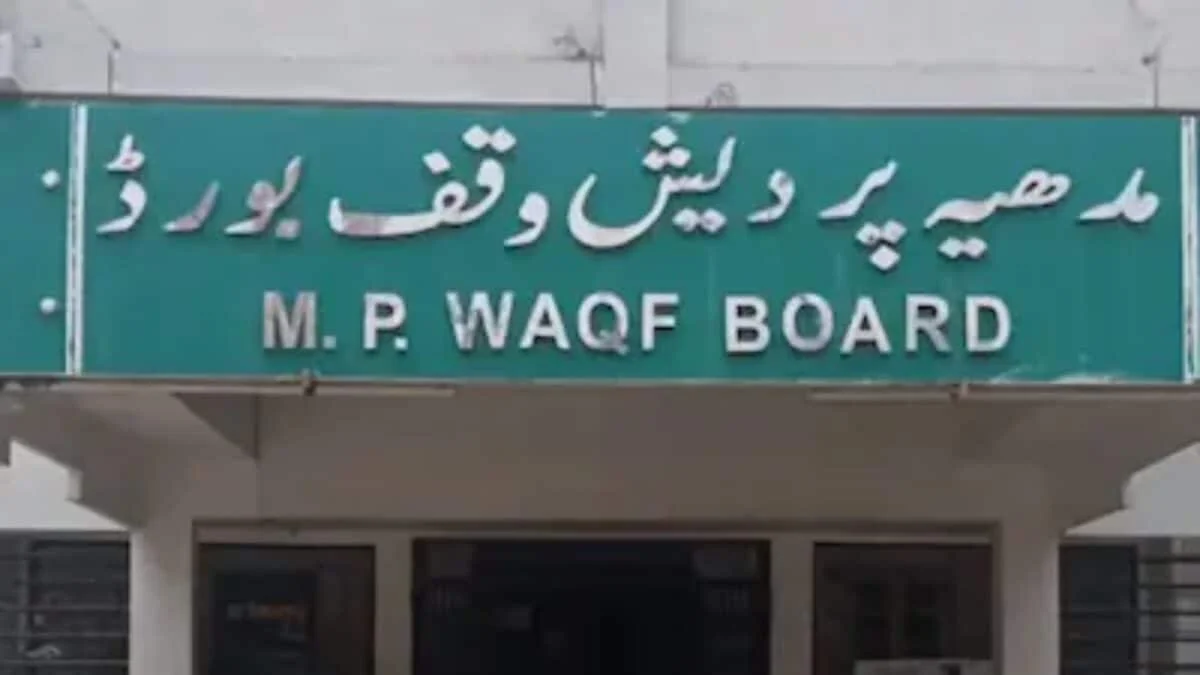
Madhya Pradesh has become the first state to include Hindu members in its Waqf Board, with Chief Minister Mohan Yadav reconstituting the 10-member body on Sunday under the Waqf (Amendment) Act, 2025. The move has sparked opposition from the Congress, which plans to challenge the decision in the Supreme Court.
Waqf Board Reconstitution and Controversy
The reconstituted Waqf Board includes Sanwar Patel as chairman for a second consecutive term, along with two new Hindu members, Manoj Malpani and Animesh Bhargava. Congress MLA Arif Masood has criticised the move, stating that the state government should have waited for the Supreme Court's verdict on pending Waqf Act issues before reorganising the board.
Congress leaders have termed the inclusion of non-Muslim members "inappropriate" and raised concerns about the potential legal implications. Former minister P.C. Sharma alleged that the BJP is using the issue to divert attention from other controversies, such as the alleged theft of offerings at the Ram Temple in Ayodhya.
Government Response and Implications
Waqf Board chairman Sanwar Patel has defended the reconstitution, stating that it was done in accordance with legal provisions. State minister Vishwas Sarang welcomed the move, saying it marked a significant step forward in implementing the Waqf Act, 2025. The Waqf Board is responsible for managing Waqf properties, preventing encroachments, and ensuring their use for religious, educational, and social welfare purposes.
The 10-member board now comprises Sanwar Patel, Najma Heptulla, Atif Aqeel, Faizan Khan, Fatema Chaudhary, Shaista Sultan, Shabana Khan, Manoj Malpani, Animesh Bhargava, and the Commissioner of the Backward Classes and Minority Welfare Department as an ex-officio member. The Congress's planned challenge to the reconstitution in the Supreme Court is expected to be closely watched.
- The Waqf Board is a statutory body responsible for maintaining records of Waqf properties.
- Its key functions include monitoring the use and income of Waqf properties and preventing illegal encroachments.
- The properties are used for religious, educational, and social welfare purposes.
The outcome of the Congress's challenge will have significant implications for the management of Waqf properties in Madhya Pradesh and potentially across the country.