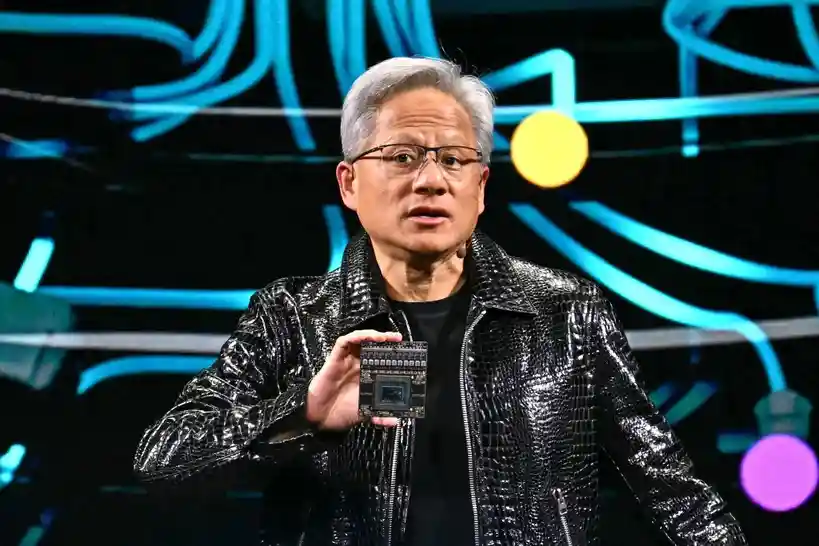
Nvidia’s stock has fallen 15% since May, even as its revenue projections grow, while memory chip makers like Micron have nearly tripled in value. The shift reveals a new bottleneck in AI: data centers now need memory more than GPUs.
Why Memory Chips Are Overtaking GPUs in AI
Last year’s GPU shortage has eased, but demand for high-bandwidth memory (HBM) is skyrocketing. DRAM spot prices have surged tenfold in a year, while the cost of renting an Nvidia H100 GPU has dropped from $3.20 to under $2 per hour. The reason? Data centers underestimated how much memory AI workloads would require.
Nvidia’s success—built on CUDA and cutting-edge GPUs—created the AI compute market. But now, tech giants like Google, Amazon, and Microsoft are building their own custom chips, reducing reliance on Nvidia. Meanwhile, no one is making their own DRAM, leaving memory suppliers like Micron in control.
The Supply-Demand Divide in AI Infrastructure
Wayne Nelms, CTO of compute marketplace Ornn, calls it a simple supply-demand imbalance. More companies are entering the GPU market, but memory production remains concentrated. Until a major HBM breakthrough or new suppliers emerge, DRAM prices—and memory makers’ profits—will likely keep climbing.
For Nvidia, the irony is stark: it pioneered the AI compute revolution, only to see simpler, less innovative memory chips become the new gold rush. The company’s value is now tied to falling compute prices, while memory firms reap the rewards of soaring demand.


