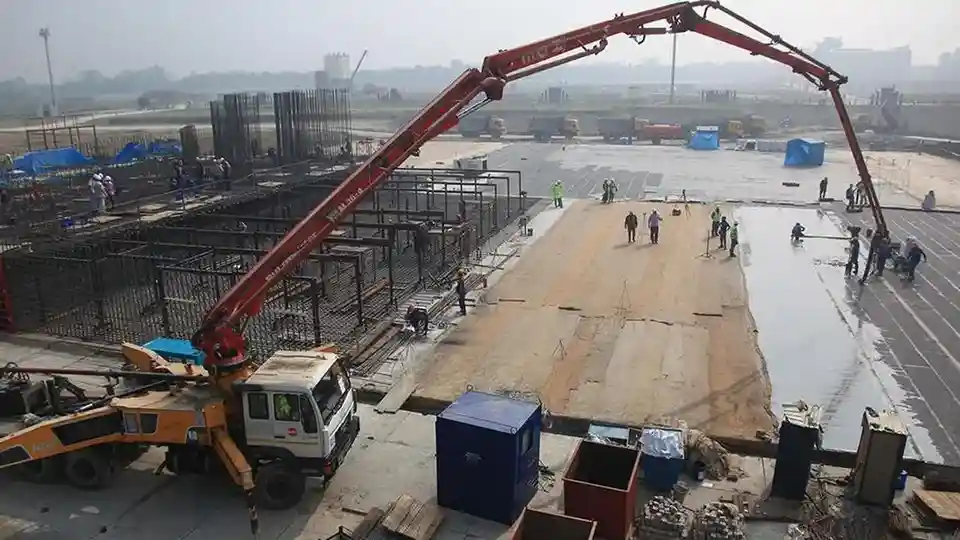
Bangladesh’s Rooppur nuclear power plant, a $12.65 billion project with Rosatom, will deliver 15% of the country’s electricity by 2028, reducing reliance on volatile fossil fuel imports. The 2.4-gigawatt facility, delayed by geopolitical shocks and currency depreciation, now faces a 25% cost increase in local terms—but its long-term energy security benefits remain a key draw for investors and policymakers.
Why Rooppur Matters for Bangladesh’s Energy Transition
The two Russian-designed reactors at Rooppur are a strategic hedge against supply chain disruptions, a lesson underscored by the Iran war’s impact on oil and gas imports. With factory output and rural electrification hit by blackouts, the plant’s baseload capacity could stabilize growth under Prime Minister Tarique Rahman’s administration, which inherited the project after 2024’s political transition.
Construction delays—pushed the first reactor’s operational date to 2027—have inflated costs due to the taka’s weakening against the dollar. Md. Shafiqul Islam of Dhaka University notes that timely completion would have trimmed both expenses and fossil fuel import bills, but operator Md. Zahedul Hassan insists the project remains cost-competitive for long-term supply assurance.
Nuclear’s Financial and Geopolitical Realities
The Rooppur project highlights nuclear power’s dual appeal: low-carbon reliability and geopolitical leverage. Rosatom’s financing model spreads the $12.65 billion cost over 20–25 years, easing upfront burdens. Yet, the global nuclear market is dominated by a handful of suppliers—Russia, China, the US, France, and South Korea—each offering limited reactor technologies tied to long-term partnerships.
Bangladesh is now exploring small modular reactors (SMRs) to diversify, with early talks involving Rolls-Royce and Chinese manufacturers. Power Minister Iqbal Hassan Mahmood targets 300–400 MW units for faster deployment, citing the liabilities of large-scale plants. Analysts like Shafiqul Alam of IEEFA argue Rooppur’s baseload capacity could free up investment for renewables and grid upgrades over the next five to seven years.
Regional Nuclear Ambitions and Risks
Bangladesh’s push mirrors neighbors like India, which plans to expand nuclear capacity to 100 GW by 2047, and Pakistan, where Chinese-built reactors add 3.3 GW. Public support for Rooppur is growing, fueled by national pride and the perception of nuclear as a modern solution. However, experts like Carnegie’s Toby Dalton warn that without robust regulatory frameworks, workforce training, and spent fuel management, the hype could lead to costly missteps.
For now, Rooppur’s success hinges on execution. As Srikanth of India’s NIAS notes, the project’s delays underscore the risks of nuclear’s high capital costs and long timelines—factors that will shape whether other developing nations follow Bangladesh’s lead.


