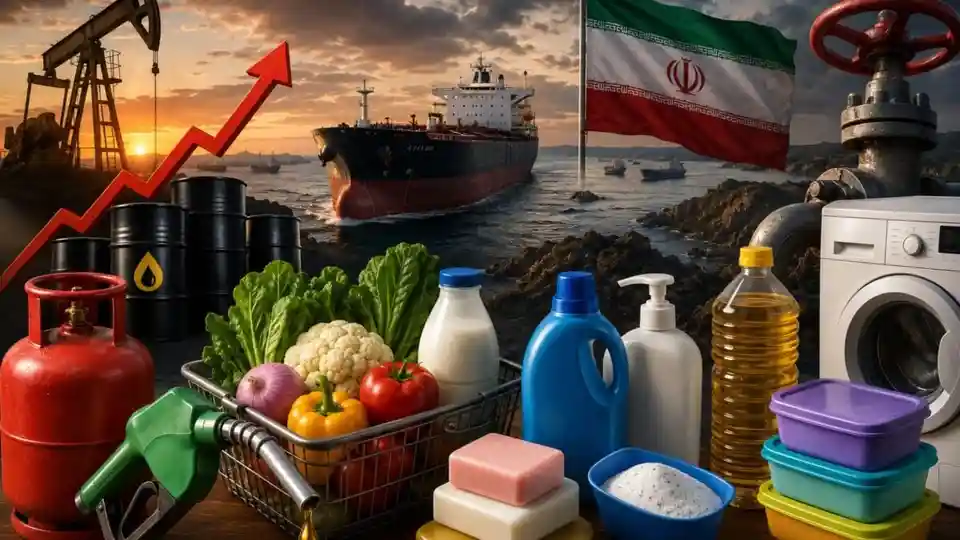
The Strait of Hormuz, a critical global energy chokepoint, has witnessed fresh attacks on commercial vessels, including a Qatari liquefied natural gas (LNG) tanker bound for India, amid escalating tensions between the US and Iran. Nearly a fifth of global oil trade and a significant share of global LNG exports pass through this narrow waterway.
Impact on India's Energy Security
India, which imports roughly half of its natural gas requirements as LNG, is particularly vulnerable to disruptions in the Strait of Hormuz. Qatar remains India's largest LNG supplier, with a substantial portion of these cargoes transiting through the strait before reaching Indian terminals such as Dahej in Gujarat.
The recent attacks have already triggered a reaction in energy markets, with Brent crude climbing as much as 6 per cent to around $78 a barrel. Investors fear that renewed attacks on shipping could slow energy flows through Hormuz, even if the strait remains technically open.
Potential Consequences for Indian Consumers
If LNG cargoes become more expensive due to higher freight rates, insurance costs, or supply shortages, city gas distributors may face higher procurement costs. This could eventually affect CNG used in vehicles, PNG supplied to households, and gas supplied to industries and commercial users.
- India imports 50% of its natural gas requirements as LNG.
- Qatar is India's largest LNG supplier under long-term contracts.
- A significant portion of India's LNG cargoes transit through the Strait of Hormuz.
While long-term LNG contracts with Qatar may cushion the initial impact, a prolonged crisis could lead to higher fuel bills for Indian consumers. The situation remains closely watched, with the US having revoked a temporary sanctions waiver that allowed limited Iranian crude oil production, sales, and exports.