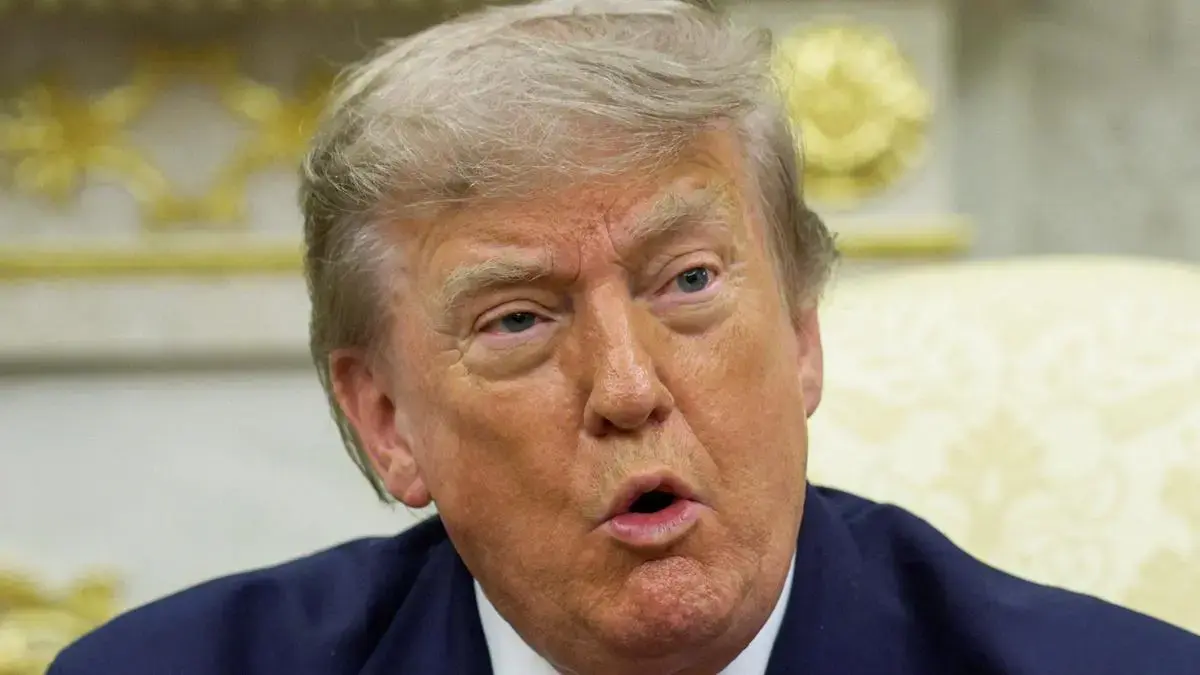
President Donald Trump abandoned a proposed 20% fee on Strait of Hormuz cargo, pivoting to trade and investment deals with Gulf states instead. The shift follows pushback from the U.N. shipping agency and comes with a new blockade targeting Iranian ports.
Strait of Hormuz Policy Reversal
Trump announced the change via Truth Social, stating that "highly productive conversations with Middle East leadership" led to replacing the fee with unspecified Gulf investments. He emphasized these deals would be "MASSIVE" but mutually beneficial, though no concrete commitments were disclosed.
Blockade on Iranian Ships
The policy update includes a full blockade on vessels linked to Iranian ports or cargo. Trump declared the Strait of Hormuz open to all other traffic, signaling a targeted approach to maritime restrictions.
Market and Trade Implications
The U.N.'s shipping agency had opposed fees on maritime waterways but awaited further details. Investors and businesses should monitor how Gulf trade deals materialize and whether the Iranian blockade disrupts supply chains.
Analysts will weigh the economic impact of trade deals versus the original fee proposal, which could have added significant costs to global shipping routes.


