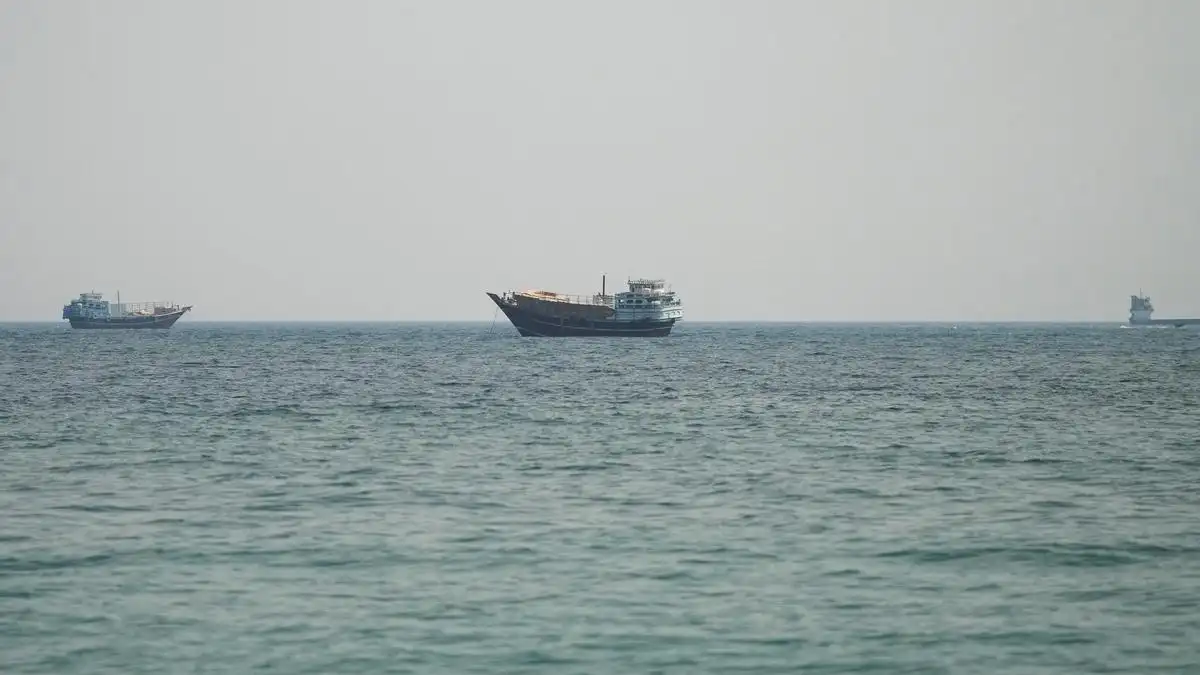
The United States launched strikes on Iran early Sunday (July 12, 2026) after an Iranian attack set a commercial vessel ablaze in the Strait of Hormuz, forcing its crew to abandon ship. Iran retaliated with missile and drone strikes on Gulf states, including Bahrain, Kuwait, Qatar, and Oman, further destabilizing the region.
US Retaliation and Strait of Hormuz Dispute
President Donald Trump confirmed the US response, stating Iran was struck "very hard" following the attack on the Cypriot-flagged GFS Galaxy. The US Central Command (CENTCOM) asserted that the Strait of Hormuz remains open, contradicting Iran’s claim of closing the waterway. "Iran does not control the strait. Traffic is flowing," CENTCOM stated on X.
Iran’s Revolutionary Guard Corps (IRGC) said it targeted a second vessel in the strait and struck the US Al Udeid air base in Qatar, damaging fighter jet maintenance and command facilities. The US had earlier conducted a third round of strikes this week, hitting 140 Iranian military targets, including missile sites and naval capabilities.
Regional Fallout and Diplomatic Responses
Oman summoned Iran’s ambassador and issued a formal protest after drones struck its territory, rescuing 23 crew members from the GFS Galaxy while one remains missing. Qatar, Kuwait, and the UAE also reported attacks, with Kuwait’s air defenses intercepting incoming projectiles. Jordan confirmed three Iranian missiles landed in its territory with no casualties.
India’s Ministry of External Affairs condemned the attack on the GFS Galaxy, noting 10 of 11 Indian crew members were rescued. Iraq’s Prime Minister is set to visit Washington on July 13 to sign oil and gas deals, partly to reduce reliance on Hormuz shipping routes. Pakistan and Saudi Arabia called for restraint, warning of threats to regional stability.
Escalating Tensions and Next Steps
Iran’s state media reported one soldier killed in US strikes on the port of Jask. Tehran’s supreme leader’s adviser called the Strait of Hormuz "more important than dozens of atomic bombs," vowing to protect it. Meanwhile, Iran’s Hamshahri newspaper published a list of foreign leaders, including US and Israeli officials, as targets for revenge over the February 28 killing of Supreme Leader Ali Khamenei.
The US and Iran had been close to a deal before the latest escalation, Trump said. With both sides exchanging fire and Iran vowing retaliation, the conflict risks undermining ongoing peace negotiations. The US military reiterated its readiness to ensure freedom of navigation in the strait.