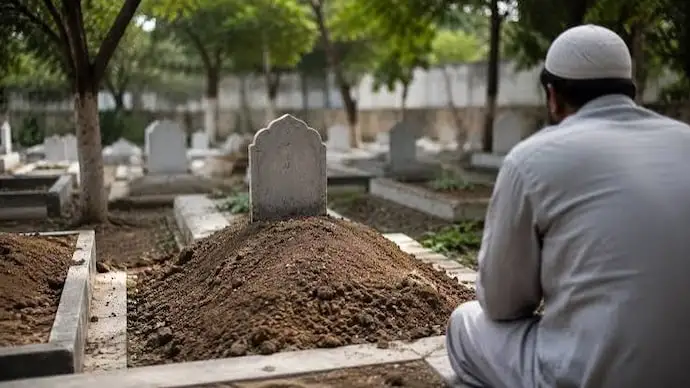
A Delhi court has upheld a trial court’s decision allowing the reuse of a grave at Shaheen Bagh graveyard, rejecting an appeal to preserve a woman’s burial site. District Judge Atul Ahlawat ruled that granting temporary protection would create a private claim over scarce public land meant for community use.
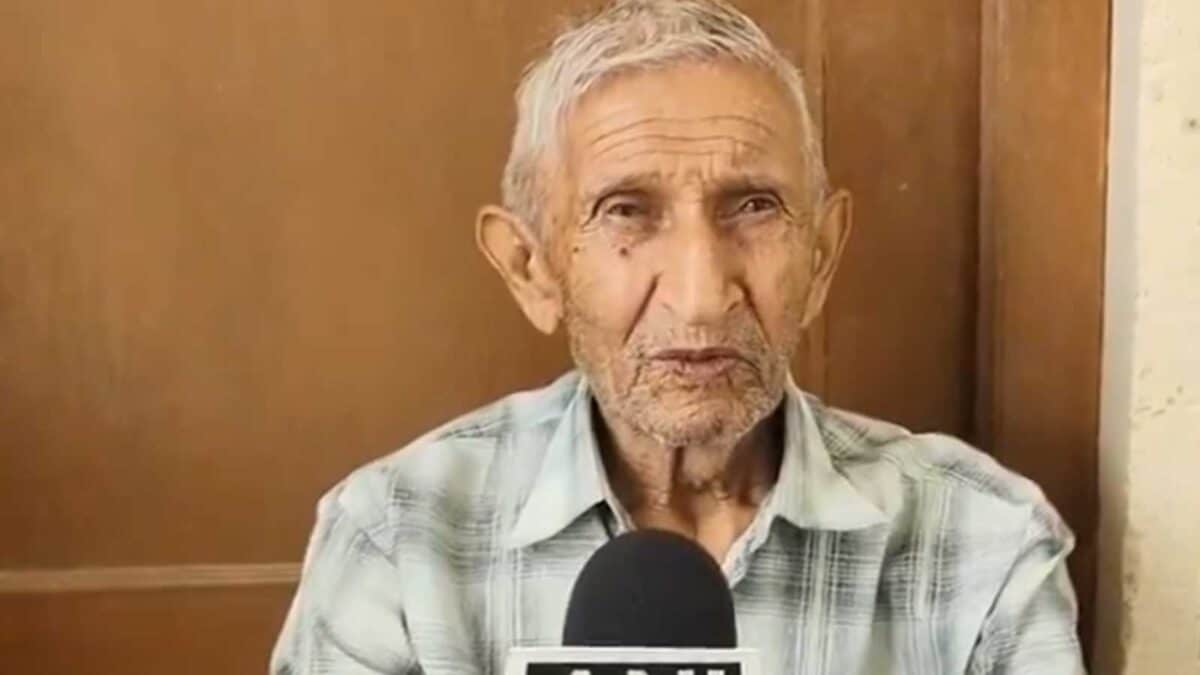
The appeal was filed by M Basharat Hussain against an October 8, 2025 order, seeking to prevent the reuse of his wife’s grave, buried in April 2021. Hussain argued that Muslim personal law prohibits disturbing graves until full decomposition, typically seven years, to uphold the deceased’s dignity and constitutional rights.
Court Cites Religious and Legal Exceptions
The Management Committee of Jamiat Ulema-i-Hind and graveyard caretaker Mufti Abdul Raziq opposed the plea, stating no legal or religious right reserves a specific grave in a public cemetery. They highlighted an acute burial space shortage, asserting reuse is permissible under religious practice when necessary.
In its July 10 order, the court noted that while Islamic law generally prohibits grave disturbance, religious texts allow exceptions for scarcity. Both parties agreed the Holy Quran is silent on reuse, relying instead on Hadith. The judge emphasized that removing bones of the first deceased remains prohibited.
Evidence and Scope of Appeal
The court dismissed Hussain’s claim for lacking scientific evidence that his wife’s body had not decomposed or that seven years was mandatory. It stated that mere assertion was insufficient for an interim injunction.
The judge also clarified that appellate interference in interim orders is limited unless the decision is arbitrary or perverse. Finding no such flaw, the court upheld the trial court’s dismissal of the injunction plea and the appeal.