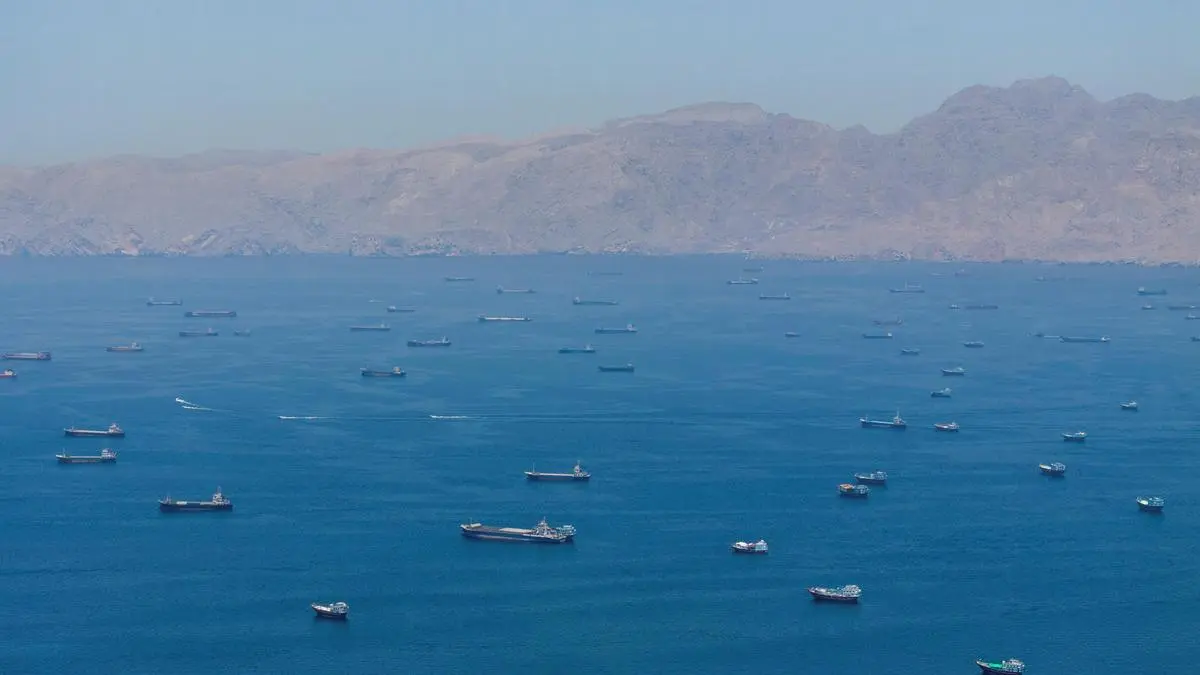
Shipping through the Strait of Hormuz has ground to a near halt after renewed US strikes on Iran, with vessel traffic plunging to levels last seen before the mid-June truce. The slowdown follows three attacks on major oil and gas tankers this week, pushing energy markets higher and forcing some ships to sail "dark" with transponders off to evade Iranian forces.
Traffic Plummets to Wartime Lows
Only 21 commodity carriers transited the strait on Wednesday, per Kpler data—among the thinnest flows since the interim peace deal. That’s down from an average of 34 daily crossings in the three weeks since the truce, with a peak of 59 on June 24. Wartime daily counts had previously hovered below 20.
On Thursday, ship-tracking data showed just a US-sanctioned supertanker and an Iranian-flagged container ship in the strait. Meanwhile, an Indian supertanker and a UAE bulk carrier reappeared in the Gulf of Oman after turning off transponders inside the Persian Gulf. A liquefied natural gas (LNG) carrier also entered the Gulf without broadcasting its location until arrival.
Insurance Costs Rise as Risk Spikes
London marine insurers reported fewer transit inquiries and higher premiums, signaling growing caution among shipowners. The Joint Maritime Information Center noted "reduced levels" of traffic on Tuesday and Wednesday, though US-assisted commercial transits continued without interruption.
LNG tanker exits through the strait remained stalled, though one empty vessel entered the Persian Gulf while another approached from the Gulf of Oman. Separately, nine empty supertankers—with capacity exceeding 18 million barrels—were anchored off Pakistan, all previously linked to Russian, Iranian, or Venezuelan oil transfers and at least six under US sanctions.
Electronic Interference Returns
Vessels southeast of Limah in Oman showed unusually high speeds (30+ knots) early Thursday, suggesting possible electronic interference. Such disruptions can stem from defense systems blocking drone attacks, which may also affect transponder signals and ship-tracking data.


