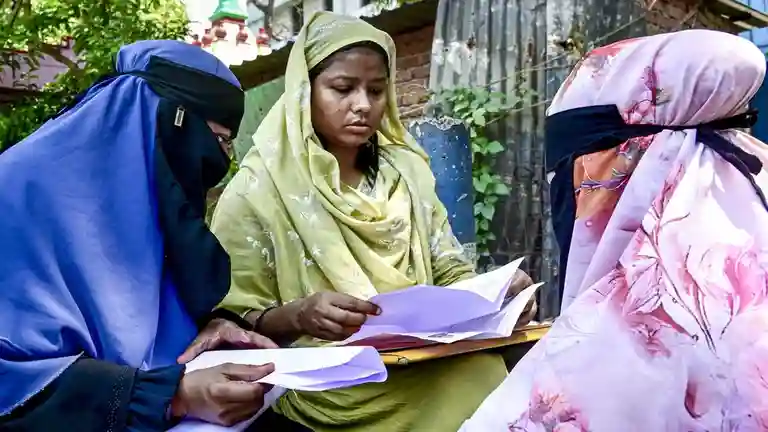
Three United Nations Special Rapporteurs have formally raised concerns with the Indian government over the Election Commission of India’s (ECI) Special Intensive Revision (SIR) process, citing the large-scale removal of voter names—particularly those of minorities. The communication, dated May 1, 2026, gives India 60 days to respond to allegations of systemic exclusion.
UN Concerns Over SIR and Minority Voter Exclusion
The Rapporteurs—covering minority issues, freedom of expression, and religious belief—highlighted the deletion of millions of names from electoral rolls, with a disproportionate impact on minority groups. They noted similar concerns in 2018 during the National Register of Citizens (NRC) update in Assam, when the ECI’s role in excluding ethnic and religious minorities was questioned.
The report flags multiple issues with the SIR process, including:
- Use of opaque AI-driven systems for voter deletions
- Weak grounds for removal, such as minor spelling errors
- Inadequate time for voters to correct documentation
- Lack of remedies for wrongful deletions
- A political narrative framing deletions as targeting “illegal Bangladeshi immigrants”
Disproportionate Impact in West Bengal’s Nandigram
In West Bengal’s Nandigram constituency, the report states that 95% of deleted voters were Muslim, despite Muslims comprising only 25% of the electorate. The Rapporteurs called these deletions “serious violations of multiple human rights obligations,” citing India’s commitments under the 1992 Minority Rights Declaration and the 1979 International Covenant on Civil and Political Rights.
The UN communication poses seven questions to India, seeking disaggregated data on excluded voters, details of the appeals process, and remedies for those affected. Under UN procedure, the letter and India’s response will be made public 60 days after issuance—or sooner if India replies earlier.