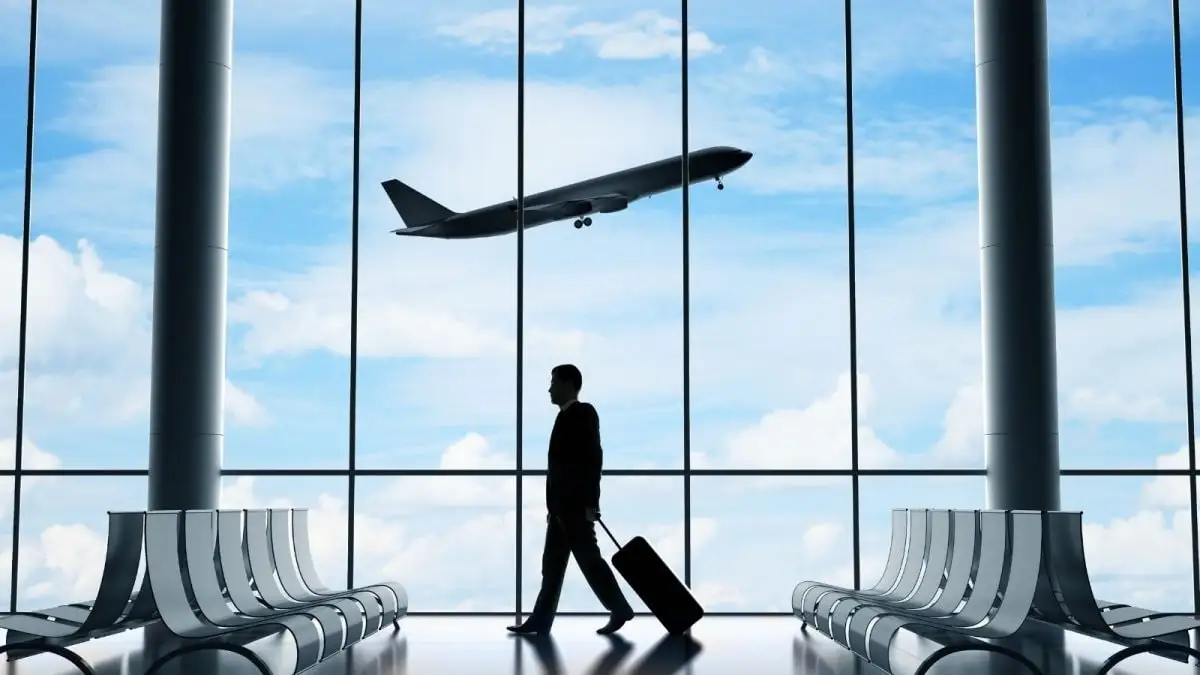
Indian airlines are increasing ticket prices after the West Asia conflict forced flights to take longer detours, avoiding Iranian and Iraqi airspace. The rerouting adds up to two hours to international journeys, raising operational costs and fares.
The closure of key air corridors follows safety directives from regulators like the European Union Aviation Safety Agency (EASA), which ordered carriers to bypass conflict zones. Indian airlines, including Air India, now rely on two primary alternative routes, both extending flight times for destinations in Europe, the UK, and North America.
Longer Flight Times and Rising Costs
Detours have added 90 to 120 minutes to routes from New Delhi and Mumbai to London, Frankfurt, and Paris. The extended flying time increases jet fuel consumption—a major expense, as fuel accounts for roughly 40% of an airline’s operating costs.
- Additional fuel burn per flight: 5,000–6,000 gallons
- Extra operational cost per sector: tens of thousands of dollars
- War-risk insurance premiums have also surged for flights near volatile regions
Impact on Passengers and Pricing
With higher fuel and insurance costs, airlines are adjusting networks and fares. Travelers should expect prolonged elevated airfares and extended travel times until the geopolitical situation stabilizes. Industry analysts warn the disruptions could persist for months, affecting both leisure and business travelers.
For now, passengers booking international flights from India should anticipate longer journeys and higher prices as airlines navigate the most significant airspace challenge in years.