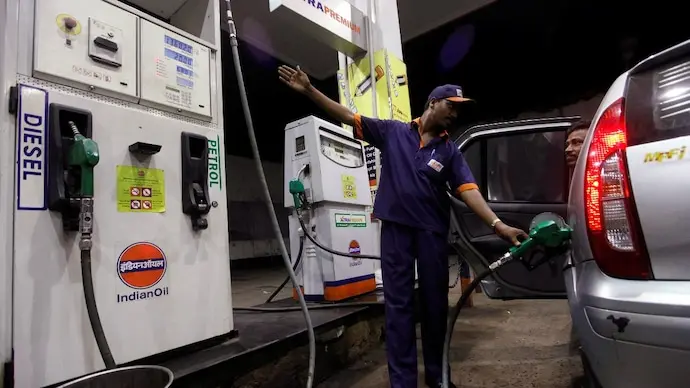
A recent unpublished report by the Automotive Research Association of India (ARAI) has raised concerns that the government's push to expand the use of E20 fuel, a petrol blend containing 20% ethanol, may damage rubber parts in older vehicles not designed for this fuel type. The ARAI study examined the impact of E20 on E10-compatible vehicles, finding potential deterioration of rubber fuel-system components.
E20 Fuel Compatibility Issues
The ARAI study, which began in March 2022, tested E10-compatible vehicles with E20 fuel and found mixed results. While the overall impact was generally comparable to that of E10 fuel, the study noted an increase in emissions in some vehicles and a slight increase in fuel consumption, ranging from 2% to 6%. The report also highlighted concerns regarding the durability of rubber parts, such as hoses, gaskets, seals, and O-rings, which may require replacement.
Potential Consequences for Older Vehicles
Most vehicles on Indian roads, estimated to be over 80%, are not compatible with E20 fuel, having been designed for E10 or lower ethanol blends. The ARAI findings suggest that owners of pre-2023 models should closely monitor their fuel system components. Vehicle manufacturers have started producing E20 material-compliant vehicles since 2023, and from April 2025, all new vehicles will be required to be both E20 material and fuel compliant.
The government's ethanol-blending programme aims to reduce dependence on imported crude oil, cut emissions, and support farmers. However, concerns persist among owners of older vehicles regarding the long-term effects of E20 fuel on their vehicles. The Society of Indian Automobile Manufacturers (SIAM) has also pointed out the potential deterioration of rubber parts in fuel systems.
Next Steps
The government has tasked ARAI with further studying the impact of E25 (25% ethanol) on existing E10 and E20 vehicles, focusing on mileage, engine condition, emissions, and costs. As the rollout of E20 continues, vehicle owners with older models should be aware of the potential risks and monitor their vehicles accordingly. The ARAI's findings underscore the need for continued assessment and transparency regarding the effects of higher ethanol blends on various vehicle types.
- ARAI study found potential deterioration of rubber fuel-system components in E10-compatible vehicles using E20 fuel.
- Fuel consumption increased by 2% to 6% when using E20 fuel compared to E10.
- Over 80% of vehicles on Indian roads are not compatible with E20 fuel.