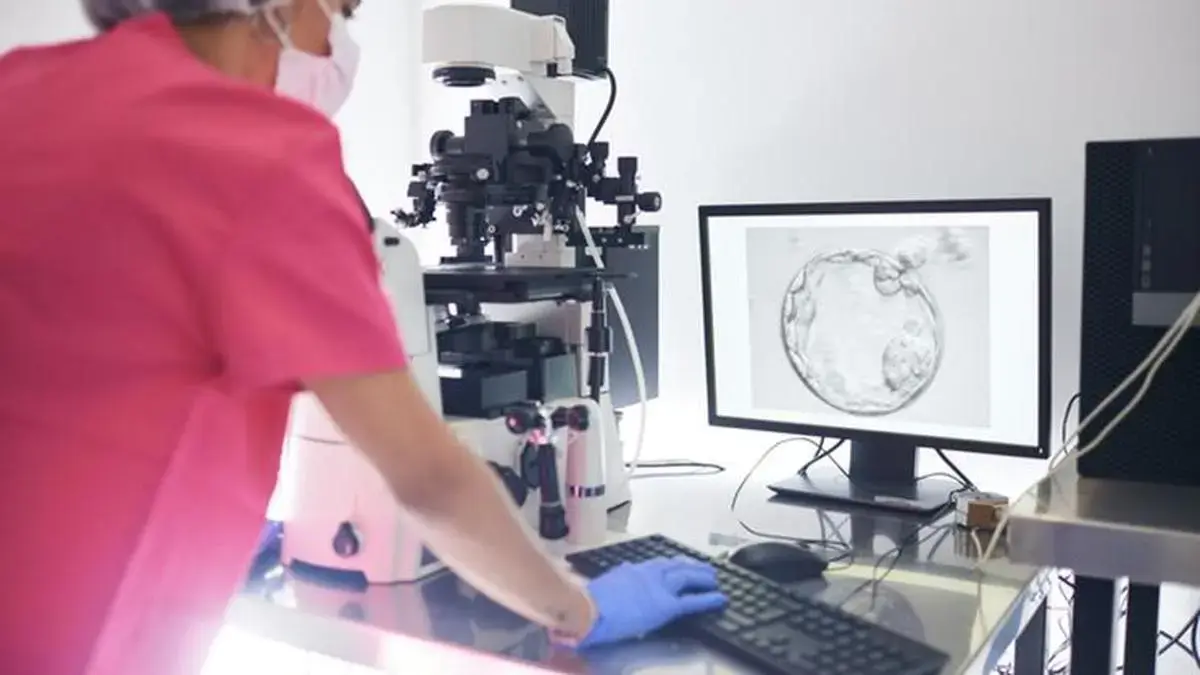
The National Commission for Women (NCW) has formed a high-level expert committee to overhaul the regulatory framework for IVF clinics, ART centres, and gamete banks, addressing growing concerns over unethical practices in India’s rapidly expanding fertility sector.
Chaired by retired Delhi High Court judge Asha Menon, the panel includes experts from the judiciary, medicine, forensic science, law enforcement, and public policy, alongside representatives from the Ministry of Health and Family Welfare. The move follows persistent irregularities despite mandatory registration under the National ART and Surrogacy Registry.
Regulatory Gaps and Market Implications
The NCW highlights that compliance alone has failed to curb exploitation, particularly as medical tourism in fertility services risks bypassing India’s legal safeguards, including those against sex selection. The absence of uniform treatment protocols across states has exposed women to inconsistent care, unnecessary procedures, and financial exploitation.
The committee will review the implementation of the Assisted Reproductive Technology (Regulation) Act, 2021, the Surrogacy (Regulation) Act, 2021, and the 2026 Amendment Rules, focusing on:
- Safeguards for consent, privacy, and biological traceability
- Regulatory gaps enabling fraud or exploitation
- Reforms to strengthen institutional accountability
Future Reforms and Ethical Standards
The panel will propose standard operating procedures (SOPs) and best practices to ensure ethical treatment, standardized clinical protocols, and transparency in the ART sector. Its recommendations aim to shape legal, policy, and administrative reforms, reinforcing governance while protecting women’s reproductive rights.
Other committee members include former IPS officer Sundari Nanda, AIIMS gynaecologist Dr. Neeta Singh, and senior advocate Mahalakshmi Pavani, among others. The NCW underscored that reproductive healthcare must prioritize dignity, informed choice, and accountability at every stage.


